What Is Debt Consolidation?
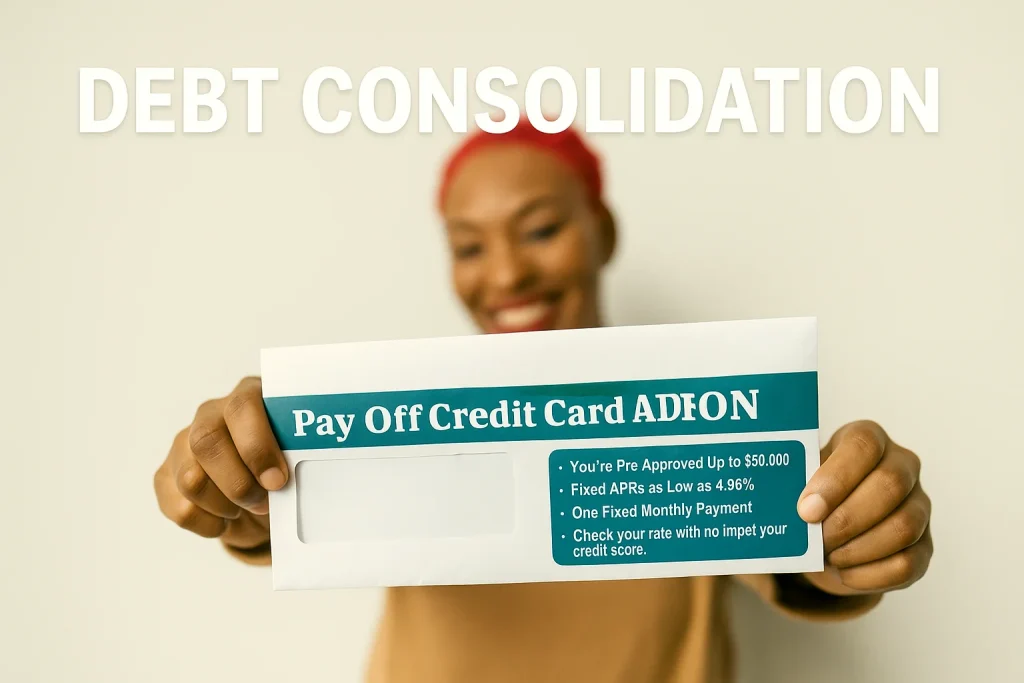
Debt consolidation merges multiple high-interest debts—credit cards, payday loans, short-term business loans—into a single loan or line of credit with one monthly payment and, ideally, a lower interest rate.
Why Consolidate Debt?
-
Lower Interest Rates: Save money over the life of the loan.
-
Simplified Payments: One due date, one amount reduces missed payments.
-
Improved Cash Flow: Predictable payment schedule aids budgeting.
-
Potential Credit Boost: Reducing credit card balances can improve utilization ratios.
Types of Debt Consolidation Solutions
-
Debt Consolidation Loan
-
Unsecured term loan used to pay off other debts.
-
-
Balance Transfer Credit Card
-
0% introductory APR offers; watch for transfer fees and eventual rate hikes.
-
-
Home Equity Line of Credit (HELOC)
-
Lower rates but puts your property at risk.
-
-
Peer-to-Peer (P2P) Lending
-
Online platforms match you with individual investors; rates vary.
-
-
Debt Management Plan (DMP) through a Credit Counselor
-
Negotiated rates/fees; requires closing existing accounts.
-
How to Qualify & Apply
-
Credit Score: 620+ opens more options; 700+ for best rates.
-
Debt-to-Income Ratio (DTI): Lenders often look for DTI < 40–50%.
-
Collateral (if secured): Home equity or other assets.
-
Application Steps:
-
Review current debts: interest rates, balances, minimum payments.
-
Compare consolidation products: rate, term, fees, lender reputation.
-
Submit documents: credit report authorization, income verification, asset statements.
-
Use proceeds to pay off target debts.
-
Commit to new payment plan; avoid accruing new high-interest balances.
-
Pros & Cons
- Potentially lower overall interest rate
- Only one payment to track each month
- Can improve credit score by reducing utilization
- Faster and easier than negotiating each debt individually
- Consolidation loan or balance-transfer fees
- Underlying spending habits unsolved can lead to new debt
- May extend repayment period, increasing total interest paid
- Secured options (e.g., HELOC) put collateral at risk
Tips for Maximum Benefit
-
Compare APR vs. Fees: A 0% card with a 3% transfer fee may still beat a 12% loan over 12–18 months.
-
Pay More Than the Minimum: Shorten term and save interest.
-
Avoid New Debt: Lock away credit cards, budget carefully.
-
Automate Payments: Prevent late fees and credit hits.