Smart Psychological Tricks to Stop Impulse Buying
If you’ve ever made a buy you didn’t plan, you’re no longer by myself. Many human beings struggle to stop impulse buying, and these unplanned purchases can quickly drain their savings. The excitement might final for a couple of minutes; however, the remorse often comes later. Impulse spending isn’t just about losing money—it’s additionally about losing control over your economic desires. Those small, frequent purchases can add up faster than you believe you studied, making it more difficult to save for the things that matter, like a vacation, a brand new domestic, or paying off debt.
The top information? You can save your impulse spending and take manipulate of your money without feeling disadvantaged. By knowing what triggers your shopping for urges and using some simple psychological tricks, you may make smarter selections, lessen needless purchases, and focus on building lasting monetary security.
1. Budget Wisely to Stop Impulse Buying Effectively
Creating a budget and sticking is one of the most effective methods to prevent buying impulses and gain complete control over your finances. A budget is not only about restricting yourself; This is about making a clear plan where your money goes. Without one, it is easy to overseas on things that you do not need, which matters to leaves less for goals. Every time you track your income and expenses, you give yourself a financial map that prevents you from making unnecessary purchases. A well-thought-out budget allows you to identify where your money is leaking, so they you can help plug those intervals before they become a big problem. It also helps you identify patterns that lead to impulse expenses, such as shopping when you are bored, stressed, or affected by advertisements.
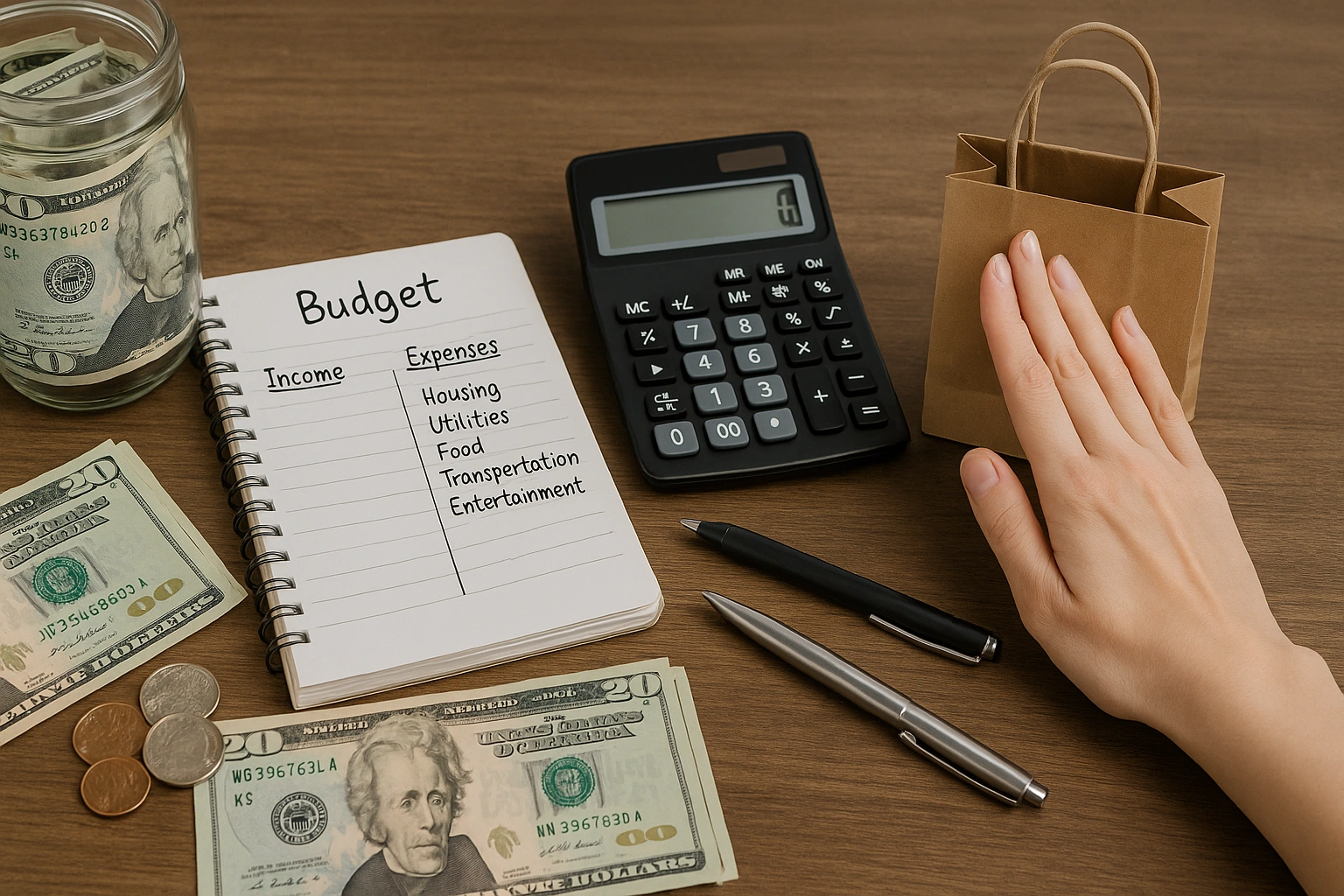
By determining clear expense categories and boundaries, you reduce the temptation to make emotional procurement decisions. When you have a budget, you are no longer guessing if you can tolerate something – you will know immediately. This level of clarity instills confidence in your financial options. The best budgets are realistic, from which you can enjoy life by saving for important goals. They act as a guide that supports smart decisions and helps you resist the urge to buy things. Over time, sticking to your budget becomes a habit, making it easier to manage your money without feeling restricted. With each month you follow your plan, you become more disciplined and less vulnerable to the greed of impulsive purchases of Stop Impulse Buying. A budget is not just one tool – it is your daily reminder to prioritize your needs over your desires.
Budgeting Steps to Stop Impulse Buying:
- Track Every Dollar – Keep a record of all expenses to see exactly where your money goes.
- Separate Needs from Wants – Cover essentials first and spend on extras only if your budget allows.
- Set Category Limits – Give each spending category a maximum amount to avoid overspending.
- Review Weekly – Check your budget regularly and make adjustments as needed.
- Use Cash for Extras – Paying in cash creates a natural pause before making a purchase.
Exceeding a budget number – this is a mentality change that changes how you spend. This gives you a clear picture of your financial condition, which helps you decide on the basis of facts rather than emotions. When you stick to your budget, you train yourself to think twice before shopping. This habit can reduce impulse expenses over time alone. The discipline you develop allows you to focus your money on things that matter, such as paying debt, saving for a major goal, or building an emergency fund. A budget also helps reduce stress by eliminating the uncertainty of thinking, where your money has gone. You will know how much is available for every part of your life.
Over time, this clarity creates confidence and stability. You will stop making emotional shopping and start making deliberate choices. This is the place where the budget power shines – it converts you from a reactive spender to an active planner. Even when temptation arises, your budget reminds me of your big goals. As you follow the month after the month, you will see that opposing the Stop Impulse Buying becomes a habit. Your financial health will improve, and you will feel in control rather than being controlled by your spending habits. Finally, do not limit your freedom by sticking to a budget – it matters to you without crime or regret, which gives you the freedom to spend on what matters.
2. Set Clear Financial Goals to Avoid Unnecessary Purchases
Having clear economic goals makes it a whole lot less complicated to avoid buying stuff you don’t want. When you understand precisely what you’re working towards, each buy appears like a desire between that intention and a brief-term distraction. Without a clear target, it’s easy to spend on impulse due to the fact there’s nothing precise to defend your money for. Your goals have to be specified, not indistinct. “Save extra cash” sounds fine; however, it doesn’t give you a course. A higher example is, “Save $ five 000 in three hundred and sixty-five days for a down payment.” That way, you know precisely how a lot to shop every month and how close you’re to hitting your target.

When you’re tempted to spend on something needless, consider how it influences your development. If that purchase pushes your intention similarly away, it’s less complicated to mention no. Goals help you prioritize and remind you why you’re making sure spending picks inside the first location. Over time, this habit doesn’t simply help you keep cash—it adjusts the way you think about it.
Steps to Set and Stick to Financial Goals:
- Be Specific – Define exactly what you’re aiming for and when you want to reach it.
- Break It Down – Divide larger goals into smaller, manageable steps.
- Track Progress – Check in regularly so you can see how far you’ve come.
- Keep It Visible – Use a photo, chart, or note as a daily reminder of your goal.
- Celebrate Wins – Acknowledge progress to keep yourself motivated.
Setting a clear goal gives your money an objective. Instead of thinking where your salary went, you know what each dollar is to do. This clarity makes it easier to avoid unnecessary purchases because you can see the big picture. You are not just asking for a random expenditure – you are saying yes to something that matters more. The more you practice making an option, keeping in mind your goals, the more naturally it becomes to buy on impulse. Every time you choose progress over immediate satisfaction, you create discipline. That discipline turns into speed, and the speed is what you get across the finish line. Reaching your goals feels rewarded, but the real benefit is the habit you make on the way. Once you learn to spend with intentions, it becomes another habit. And which will keep you financially stable after reaching your current goals.
3. Unsubscribe and Unfollow to Reduce Impulse Spending
A large part of the impulse spending comes from a constant risk of breathtaking proposals. Every time you see a “limited-time deal” or “flash sale” pop up on your screen, you are naked to spend without thinking. The brands know how to attract your attention and trigger that quick emotional decision to buy. The more time you see these messages, the less likely you are to shop for which you have not planned. Start by cleaning your inbox. If you regularly receive the campaign email from your favorite store, it is only a matter of time before something catches your eye. Unsqueezing removes that daily temptation. The same goes for your phone for push notifications. Those “back in stock” or “exclusive offer” alerts are designed to create urgency, even if you are not planning to shop.
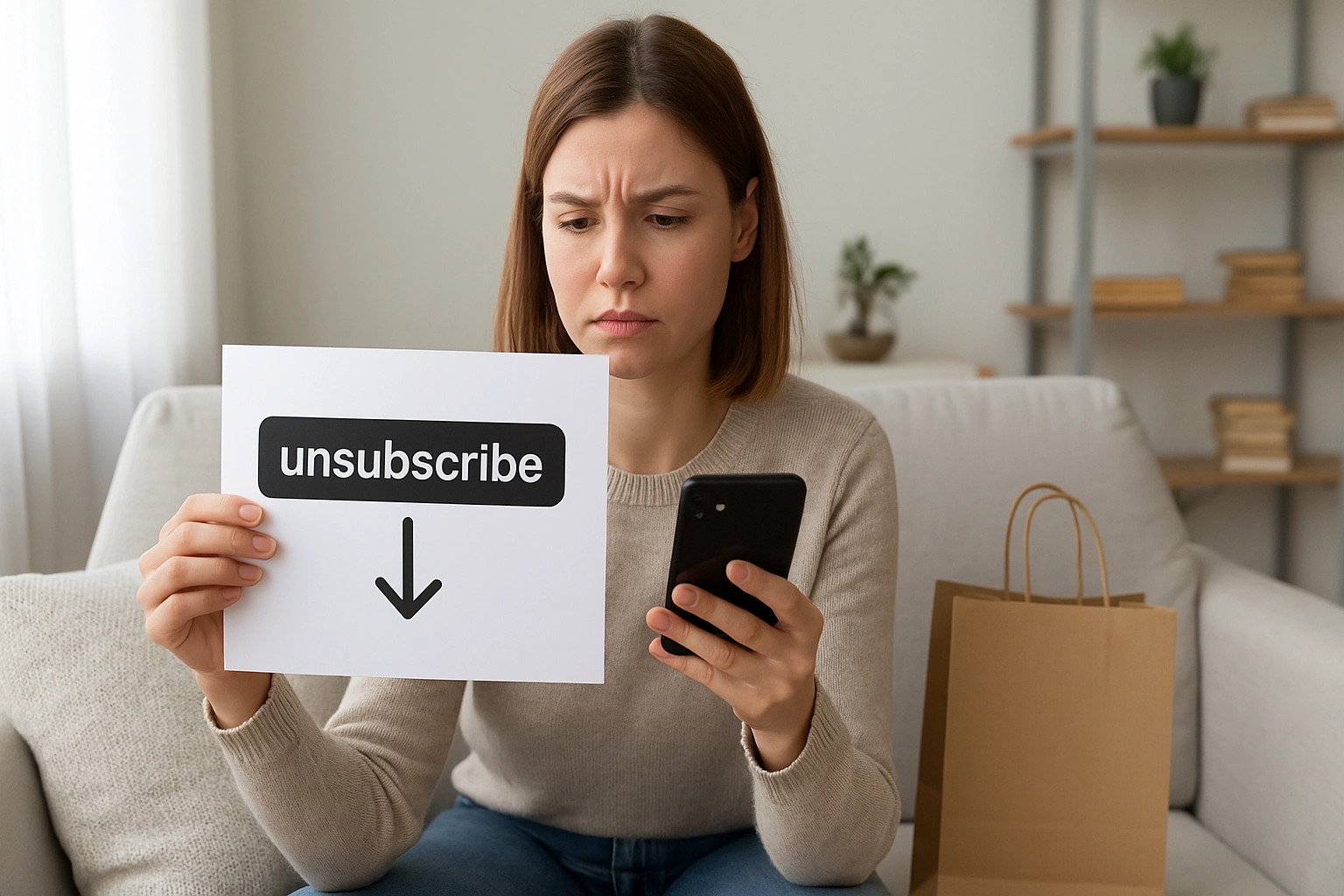
Social media can be an even bigger trigger. Friends who post the following brands, affected, or shopping can make you feel that if you don’t buy something new, then you are missing out. By curing your feed to remove these triggers, your attention focuses on your goals, not what other people are buying. When you reduce contact with marketing messages, you are removing one of the main sources of Stop Impulse Buying. Instead of constantly reminding things to buy things, you give yourself a place to think before spending. It is not about cutting yourself from everything – it is about making sure that you look at the lined material with your priorities.
Ways to Reduce Shopping Triggers:
- Unsubscribe from Emails – Remove yourself from store mailing lists to limit daily temptations.
- Turn Off Notifications – Stop push alerts from shopping apps that encourage quick purchases.
- Unfollow Tempting Accounts – Remove brands and influencers that often promote products.
- Mute Sale Ads – Use ad-blockers or platform settings to hide shopping promotions.
- Follow Goal-Focused Content – Replace shopping posts with content that inspires your financial goals.
Limiting your risk for marketing is one of the simplest ways to prevent impulse expenses. You cannot be wooed by sales that you never see. By cutting unnecessary emails, notifications, and social media posts, you give yourself more control over your purchase decisions. Over time, you insist less on shopping because you are not reminiscent of things to buy. Your money will remain where it supports your real priorities. And when you decide to shop, it will be an option, not a reaction to clever advertising. There is no goal to avoid shopping fully. This is to remove unnecessary pressure and create a place where you can decide on your terms. The less you have to spend, the easier it is that it is easy to stick to your budget and avoid unnecessary purchases.
4. Avoid Shopping When Emotional to Stop Impulse Buying
We have a powerful effect on how to spend our money of emotions. Feeling stressed, bored, alone, or even very happy can lead to quick, unplanned purchases. At the moment, shopping can be a way to improve your mood or reward yourself, but this satisfaction is rare. More often, it regrets and realizes that the purchase was not necessary. Emotional expenses are one of the most common causes of Stop Impulse Buying. It bypasses the argument and purchase in a response rather than an option. When your feelings are moving high-positive or negative-then your brain is less focused on long-term goals and more focused on immediate relief or bliss. That is why it is important to identify your emotional trigger before checking out. Pay attention to when you are most likely to shop. Do you browse an online store after a stressful workday? Do you walk in a mall when you are bored? Or are you different to celebrate a success? Identifying these patterns is the first step towards breaking them.

Once you become aware, you can replace emotional shopping with healthy options. Instead of adding things to your car, walk, call a friend, work on a hobby, or do something that helps you reset. The goal is not to eliminate expenses, but to ensure that it is deliberate and there is no response of how you are feeling at this time. By avoiding shopping when you are emotional, you give yourself time to think before purchasing. This stagnation is often enough to help you decide whether the purchase is really worth it. Over time, you will find that you arrive for healthy copy strategies instead of your credit card.
Healthy Alternatives to Emotional Shopping:
- Go for a Walk – Physical activity helps clear your mind and reduce stress.
- Talk to Someone – Call a friend or family member to distract yourself from shopping urges.
- Work on a Hobby – Focus on something enjoyable and productive that keeps you engaged.
- Practice Relaxation – Use breathing exercises or meditation to calm your emotions.
- Write It Down – Journal about what you’re feeling instead of turning to shopping for comfort.
Avoiding shopping when emotional is about protecting both your money and your long-term goals. It is easy to think that a quick purchase will cure your mood, but this feeling is short-lived, and the impact on your budget can be permanent. Recognizing your emotional trigger gives you the power to prevent and choose a healthy response. Changing emotional purchases with positive activities does not just save money-it also helps you to build habits that improve your goodness. The more you practice it, the easier it becomes when emotions are taking your spending decisions. Over time, you make less shopping for yourself and more with intentions. This means that your shopping will be more meaningful, your budget will be on track, and you will regret less later. Emotional awareness is one of the strongest tools that you can use to prevent impulse and keep your financial life stable.
5. Use Cash Instead of Cards to Control Impulse Spending
Paying with cash may feel a little old-fashioned, but it is one of the simplest ways to prevent purchasing impulses. When you hand over physical money, you see that it leaves your wallet, and this makes you find it difficult to purchase. This stagnation often gives you a chance to ask, “Do I need it?” Credit and debit cards do not create the same awareness. With a quick swipe or tap, the money is gone without you feeling the effect. This is why the use of cash can be such a powerful habit – it combines you again with the value of your money and helps you make a more thoughtful choice.

Using cash also works well for the budget. If you set a specific amount for discretionary expenses each week, you are giving yourself a clear limit. Once the cash comes out, you cannot buy more without taking a dip in money for something else. This is a simple but effective way to prevent purchasing impulses before the underlying border starts. Even if you continue to use the card for bills or major purchases, switching to cash for everyday expenses, entertainment, or small shopping trips can create a big difference. Over time, this habit can change the way you think about spending perfectly.
Ways to Use Cash to Stop Impulse Buying:
- Set a Weekly Cash Limit – Decide how much you can spend on non-essentials.
- Use the Envelope Method – Separate cash for different spending categories.
- Leave Cards Behind – Only take the cash you’ve budgeted for the day.
- Track Cash Spending – Write down each purchase to stay aware.
- Save Leftover Cash – Put any unspent money straight into your savings.
Switching on cash is an easy, practical step that helps prevent you from buying on impulse. This forces you to slow down and think before shopping. Additional moments of thought often require you to make a clever choice. This approach works because it gives you a physical, visual range. If there is no cash, you cannot spend it. This small barrier helps you to avoid unnecessary purchases and stick to your budget. Over time, using cash for some expenses will help you take more care with your money. You will see that you shop at least and save more for things that matter. Even if you apply this method only in some areas of your expenses, it can have a major impact. The target is not to avoid the card completely, but to have a strong relationship between the money you have spent and the money you have spent. The connection will put you on the track and help prevent the impulse for good. For more ideas on building better spending habits, check out this guide on how to Manage Your Money effectively.
6. Set Spending Limits on Non-Essential Purchases
One of the easiest ways to prevent buying on impulse is to set a clear limit on how much you can spend on non-necessary goods. Non-essential extra artists are-you enjoy, but do not need, such as takeout food, new clothes, or entertainment. These shopping trips are fine in moderation, but without limitations, they can drain your budget quickly. Start by deciding how much you can spend on “want” every week or month. The exact amount will depend on your income, expenditure, and savings goals. Once you set that limit, stick to it. This creates an underlying security that forces you to prioritize what matters the most to you. If you hit your spending limit before the end of the period, do not pull from other parts of your budget.

Instead, wait until your next cycle to make additional non-necessary shopping. This stagnation gives you time to think about whether you want or require the items. Not often, you will be urged to buy from far away. Boundaries work because they help you in deliberate choices. You are more likely to ask yourself, “Do I want to use part of my remaining budget?” That short moment of decision-making is a powerful way to prevent unnecessary purchases.
Tips for Setting and Following Spending Limits:
- Decide Your Monthly or Weekly Limit – Base it on your income and financial goals.
- Track Your Spending – Keep a running total so you know when you’re close to your limit.
- Use Cash or a Prepaid Card – Once the money is gone, the spending stops.
- Prioritize Purchases – Spend your limit on the things you value most.
- Review Your Limits Regularly – Adjust if your income or expenses change.
Setting the range of expenditure on non-essential items is a simple but powerful way to prevent purchasing impulses. This prevents your expenses, while you can still enjoy things you love. You are not cutting fun shopping – you are only sure that they are fit within your overall plan. When you stick to these boundaries, you will start making more thoughtful purchases. You will naturally choose items that bring the most value, and you will avoid wasting money on things that lose their appeal quickly. This habit also creates discipline over time. The more you practice it, the easier you do not to say to buy. After all, living within your spending limits will make it natural, and it will be less attractive to buy on impulse. By controlling what you want, you protect your savings, combine them with your goals, and give freedom to enjoy life without financial stress. This is a small change that can make a major impact on your budget – and on your ability to Stop Impulse Buying for good.
7. Try a Prepaid Card for Controlled Spending
If you struggle to stick to your budget, using a prepaid card can be a practical way to prevent purchasing impulses. A prepaid card acts like a debit card, but instead of drawing from your bank account, you load it with a fixed amount. Once that balance is finished, you cannot spend more until it is loaded again. This setup creates a hard range at your discretion and expense. It is particularly useful for categories where overspending occurs easily, such as dining out, shopping, or entertainment. By having that cap, you force what you buy is more selective. Because you can see your balance drop in real time, you are more likely to think twice before shopping.

If a large part of your budget has already been used, then you can decide to wait instead of what is left is less important. A prepaid card also protects your main account from unnecessary purchases. Even if you are enticed to go overseas, you have to make conscious choices to reload the fund, and this stagnation may be enough to help you rethink.
Tips for Using a Prepaid Card to Stop Impulse Buying:
- Set a Spending Amount – Decide how much to load based on your budget.
- Use It for Non-Essentials Only – Keep your bills and savings separate.
- Track the Balance – Watch it closely to see how fast it’s going down.
- Reload on a Schedule – Only add money weekly or monthly, never on impulse.
- Treat It Like Cash – Once it’s gone, the spending stops.
A prepaid card gives you a physical and psychological barrier against overspending, making it easier to stop buying the impulse. By setting a certain limit, you control how much you can spend and reduce whispering. This method is simple but effective because it makes you think about your purchase before making it. You are not removing the ability to spend – you are building boundaries that help you spend with intention. Over time, using a prepaid card, you can be trained for better financial decisions, even without cards. You will become more aware of your expense pattern and more disciplined with your money. This is a low-ex-habit that can have a major impact, especially if you overspeed on non-essentials. Combined with other strategies, a prepaid card may be a strong tool in your plan to prevent your plan and prevent your finances from being out of control.
Make a Mindful Spending Habit to Stop Impulse Buying
Avoiding impulse purchases is not about removing all happiness from your life – it’s intentionally making alternatives that align with your goals. When you practice mindful expenses, you think about each purchase before making it. You ask yourself if it adds real value to your life or whether it is a quick improvement for a temporary spirit. By applying strategies in this guide every day – such as making a budget, setting clear financial goals, limiting sales contact, and controlling emotional expenses – you create a strong defense against unnecessary purchases. The more you practice, the naturally it becomes natural to buy into impulse and focus on what matters.
Mindful expenses also change your relationship with money. Instead of feeling guilty after buying something, you will feel confident because you know it fits your plan. You will prioritize purchases that support your long-term happiness, not only short-term enthusiasm. It is important to remember that this is a habit made over time. You do not change overnight, but with each intentional option, you are creating strong financial discipline. This discipline is what allows you to say what you want, so you can say yes to what you really want in the future.
Choosing the right coverage ensures peace of mind and long-term security. Insurance protects you from unexpected expenses, helping you recover without straining your finances.
FAQs About Stopping Impulse Buying
1. What is impulse buying?
It is buying something without a plan, often due to emotions or marketing.
2. How can I stop buying impulsively while shopping online?
Remove the cards, log out of your accounts, and wait 24 hours before shopping.
3. Is it better to use cash to avoid impulse expenses?
Yes. Paying with cash gives you more information about each purchase.
4. How do financial targets help prevent impulse expenses?
They give you a reason to oppose unnecessary purchases.
5. Can you affect my budget?
Yes. Small purchases combine over time, which reduces your saving ability.