How One Missed Payment Affects Your Credit Score
Missing a payment happens to almost everyone at some point. Maybe you forgot a due date, had an unexpected expense, or just didn’t have enough funds in your account. While one slip might seem harmless, even a single missed payment can leave a noticeable mark on your credit score. What many people don’t realize is that payment history plays a much bigger role in your overall credit health than any other factor. Even if you’ve paid everything on time for years, one missed bill can quickly lower your score and make future borrowing more difficult.
Lenders view late payments as a warning sign that you might struggle to manage credit responsibly. Understanding how a missed payment affects your credit score is the first step toward preventing lasting damage. In this guide, we’ll break down what happens when you miss a payment, how long the effects last, and the smart steps you can take to recover your score as quickly as possible.
1. Why Payment History Matters So Much
Your payment history makes up about 35% of your total credit score, making it the single most important factor lenders use to judge your financial reliability. Every on-time payment strengthens your record and builds trust with lenders, credit card companies, and even landlords. It shows that you manage credit responsibly and can be trusted to repay borrowed money on schedule. Once a bill goes unpaid for 30 days or more, lenders report that missed payment to the three major credit bureaus: Experian, Equifax, and TransUnion.
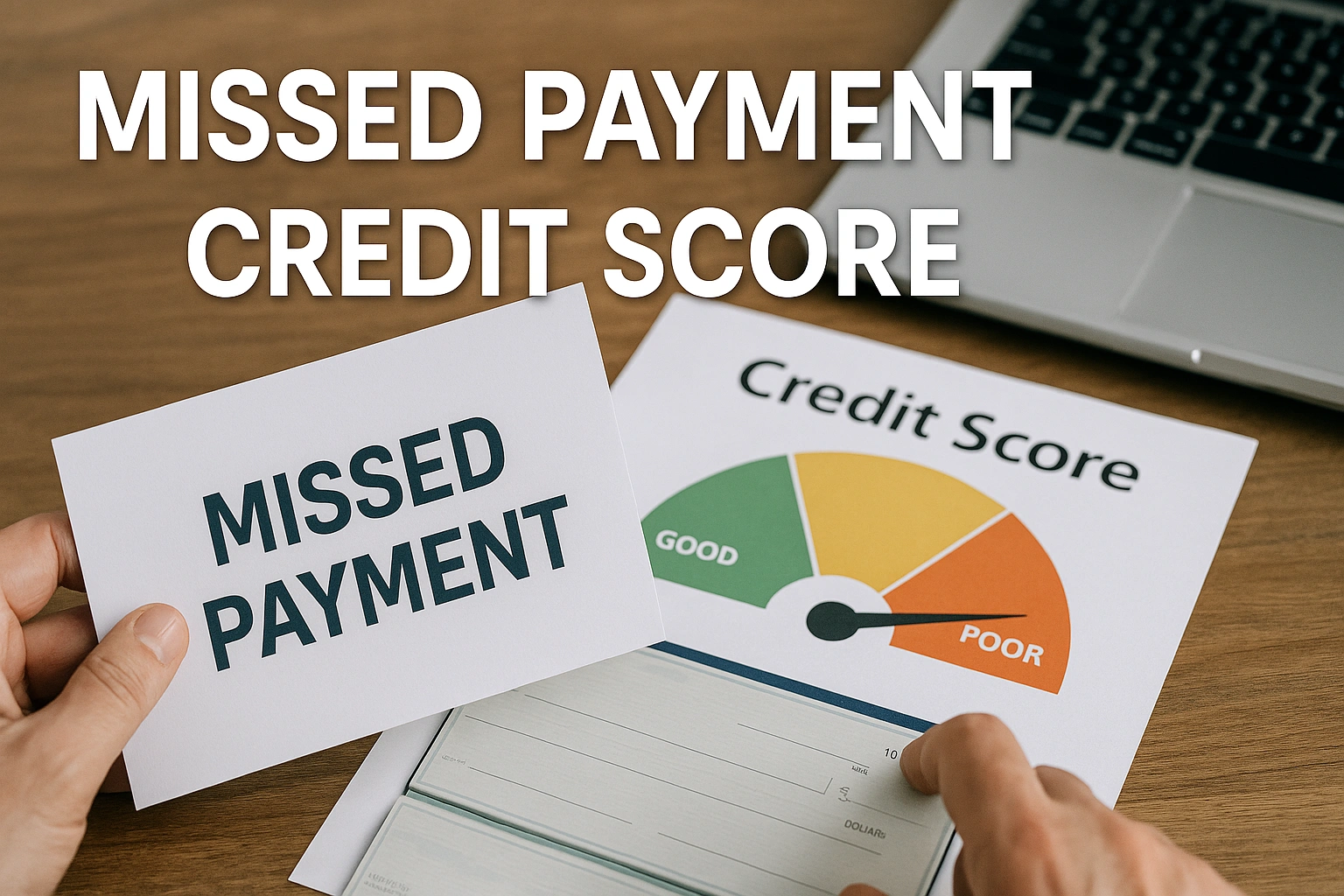
That report immediately signals risk and can cause your credit score to drop anywhere from 60 to 110 points, depending on your credit history and current score. Those with excellent credit tend to see a sharper decline because lenders view a new late mark on an otherwise clean record as a serious warning sign. If you’ve spent years building good credit, one overlooked payment can feel discouraging. The good news is that you can recover from it by taking quick action and staying consistent with future payments.
2. What Counts as a “Missed Payment”
Not every late payment immediately hurts your credit score. Lenders understand that people sometimes forget or face short-term financial setbacks. Still, it’s important to know when a payment officially becomes “missed” in the eyes of creditors and credit bureaus. The timeline below shows how quickly a small delay can turn into a serious credit problem if it’s not handled right away. Here’s how it typically works:
- 1–29 days late: You’ll likely owe a late fee, but it’s not yet reported to credit bureaus.
- 30–59 days late: Your lender will report the missed payment, and it can start affecting your credit score.
- 60–89 days late: Another negative mark may be added, worsening the impact.
- 90+ days late: Your account might be turned over to collections, which severely damages your credit.
If you’re only a few days late, act immediately. Paying before that 30-day threshold can save you from long-term damage. Even if you’ve already missed the reporting window, contacting your lender quickly can sometimes prevent the issue from escalating further. The key takeaway is simple: time matters. The faster you address a late payment, the less it will hurt your missed payment credit score, and the easier it will be to get back on track.
3. How a Missed Payment Impacts Your Credit Score
When a missed payment appears on your credit report, it sends an immediate signal to lenders that you may be struggling to manage debt. Both FICO and VantageScore scoring models treat payment history as one of the most important factors. Even one late payment can shift your standing significantly, especially if you have a strong record beforehand.
The exact impact on your missed payment credit score depends on several key factors:
- How late you are: A 30-day delay causes less damage than a 90-day one.
- How recent it is: Newer missed payments affect your score more than older ones.
- How often it happens: A single error can be forgiven, but repeated late payments build a negative pattern.
- Your overall credit profile: Someone with a long, steady credit history may recover faster than someone already carrying high debt.
Even though the effect can feel immediate, recovery is possible. The credit system rewards consistency and time. By paying on time every month after the mistake, you start rebuilding trust and gradually improving your score. Within a few months of steady payments, your missed payment credit score can begin to rise again, showing lenders that you’ve regained control of your finances.
4. How Long a Missed Payment Affects Your Credit Report

When a missed payment appears on your credit report, it can leave a lasting mark. Many people are surprised to learn how long a single late payment can stay visible. While it doesn’t damage your score forever, it can take time and consistency to recover. Here’s what you need to know:
- Stays up to seven years: A missed payment remains on your credit report for up to seven years from the original delinquency date.
- Impact lessens over time: The older the late payment, the smaller the effect on your credit score.
- Recent activity matters more: A missed payment from last month will hurt far more than one from several years ago.
- Good habits rebuild trust: Consistent, on-time payments help restore your missed payment credit score gradually.
- Credit models reward recovery: FICO and VantageScore both recognize long-term positive behavior after a mistake.
In short, one late payment isn’t the end of your financial progress. By maintaining consistent payment habits and focusing on positive credit actions, you can minimize the impact and rebuild your missed payment credit score over time.
5. The Domino Effect on Other Parts of Your Finances
A missed payment doesn’t just hurt your credit score it can affect nearly every area of your financial life. Once your missed payment credit score drops, lenders, landlords, and even insurers may start to view you as a higher risk. This can lead to higher costs or fewer opportunities in the future. Here’s how one missed payment can ripple through your finances:
- Loan and credit approvals: Lenders may reject applications or offer smaller limits after seeing a missed payment.
- Higher interest rates: If you’re approved, you’ll likely pay more to borrow the same amount because of a lower score.
- Existing accounts: Some credit card companies can raise your APR or reduce available credit following a delinquency.
- Insurance and rentals: A weaker credit score can make it harder to qualify for affordable car insurance or rental housing.
- Employment checks: In some industries, employers may review credit reports as part of background screening.
While a single late payment might seem minor, its effects can stretch across your entire financial profile. The best way to protect your missed payment credit score is to act quickly, stay consistent with future payments, and rebuild your reputation through steady, responsible financial behavior.
How Soon Can You See Improvement
If you act quickly, your credit score can start improving within a few months. Payment history is constantly updated, and every new on-time payment adds positive information to your report. Within 6 to 12 months of consistent, responsible behavior, most people notice a steady rise in their scores.
That said, a missed payment can still appear on your credit report for years, even if your numbers recover sooner. Lenders can see the mark, which is why building a long streak of on-time payments afterward is so important.
The key to rebuilding your missed payment credit score is consistency. Focus on paying every bill on time, keeping balances low, and avoiding new debt until your record stabilizes. With patience and discipline, you’ll not only recover your score but also show lenders you’re financially reliable again.
If your credit has taken a hit, the good news is that recovery is always possible. Learn simple steps to rebuild your payment history, manage debt wisely, and raise your score over time in our detailed guide, Improve Your Credit Score.
FAQs about Missed Payment Credit Score
1. How much can one missed payment affect my credit score?
A single missed payment can lower your credit score by 60 to 110 points, depending on your overall credit history and how recent the late fee is.
2. How long does a missed payment stay on my credit report?
It can remain on your credit report for up to seven years, but the impact on your score lessens over time with consistent on-time payments.
3. Can I ask my lender to remove a missed payment?
Yes. Some lenders may grant a goodwill adjustment if you have a strong payment history and have quickly caught up on the late bills.
4. How can I fix my credit after a missed payment?
Pay off the overdue balance, keep future payments on time, and avoid taking on new debt while rebuilding your credit.
5. Will one missed payment stop me from getting approved for a loan?
Not necessarily. If your overall history is strong and you recover quickly, lenders may still approve you, though possibly at a higher interest rate.