An emergency fund protects your life when money problems arrive without notice. A job loss, a medical bill, a car repair, a home repair, or a family need can force quick decisions. When you have cash ready, you avoid panic and you avoid costly debt. The goal is simple: choose the right Emergency fund amount and build it with steady steps.
What an emergency fund is and why it matters
An emergency fund is cash that you keep for real emergencies. It is not for vacations, gifts, or normal monthly costs. It is for events that you cannot predict and cannot delay.Many people think they will use a credit card if trouble arrives. That often creates a second problem: interest, fees, and stress. Credit card debt grows fast. A short crisis can become a long recovery.
A cash reserve gives you time. Time helps you make better choices. You can search for work without taking the first offer. You can repair your car without using a payday loan. You can cover a deductible without missing rent. An emergency fund also helps your health. Money stress affects sleep, focus, and relationships. A reserve reduces that pressure because you know you can handle a surprise cost.
Emergency fund amount: the simple rule that fits most people
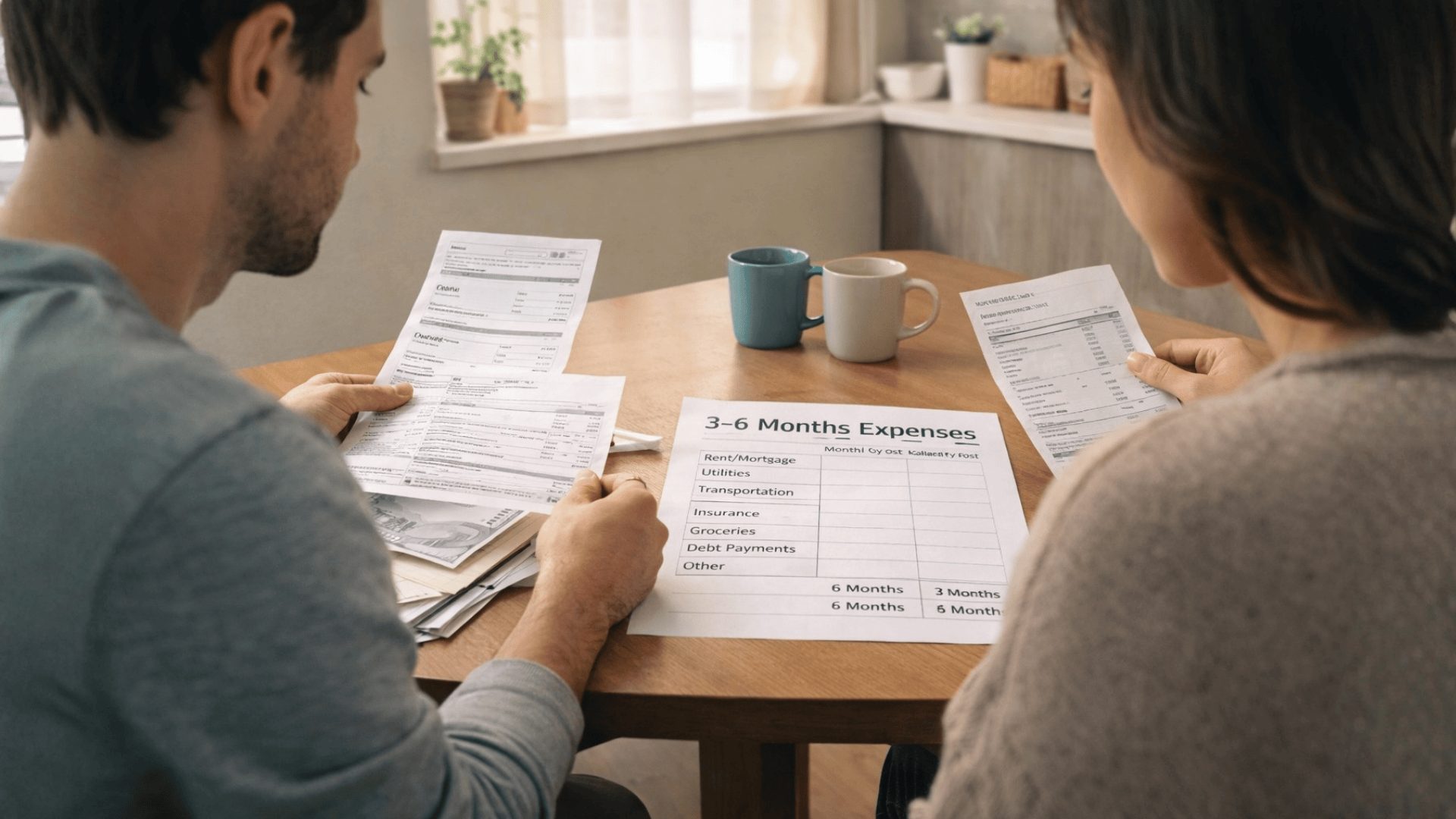
A common rule is 3 to 6 months of essential expenses. Essential expenses are the costs that keep your home stable: housing, basic food, utilities, transport, insurance, and minimum debt payments.
For many people, three months is a strong base. Six months is a safer target when income risk is higher. The right target depends on your life, not on a single number from the internet. The best plan is a clear method that you can repeat.
The Emergency fund amount should start small and grow in stages. If you begin at zero, a large target can feel heavy. A staged goal keeps progress steady.
A practical approach uses three levels.
Level one is a starter fund of one month of essential expenses. This level covers many common surprises like a tire replacement or a medical copay.
Level two is three months of essential expenses. This level protects you from short income gaps and larger bills.
Level three is six months of essential expenses. This level is useful when you have one income, irregular income, health concerns, or a higher job loss risk.
This rule works because essential expenses are personal. A person who rents a small room needs a different target than a person with a mortgage and children. When you base the goal on your real costs, the plan feels more realistic.
How to calculate your Emergency fund amount step by step
To calculate your monthly essential expenses, begin with one month of bills. Use bank statements or a budget app if you have one. If you do not, use your recent receipts and your memory. Your goal is a close estimate, not perfection.
First, list housing costs. This includes rent or mortgage, and required fees. If you pay for parking at home, include it. If you pay property tax or home insurance outside your mortgage payment, include it.
Second, list basic utilities. Include electric, gas, water, trash, and a basic phone plan. Include internet if you need it for work, school, or job search.
Third, list food at home. Focus on groceries, not dining out.
Fourth, list transport. Include fuel, public transit, and required maintenance. If you depend on a car, include a small monthly repair average.
Fifth, list insurance. Health, auto, home, renters, and life insurance if it is essential for your family safety.
Sixth, list minimum debt payments. That includes credit cards, student loans, and other loans. Use minimums, not extra payments.
When you add these categories, you have a monthly essential total. Multiply that number by one, three, and six. Those totals are your stage goals.
This method gives you one clear result: your Emergency fund amount for each stage. You can then choose a target that matches your risk and your comfort.
If you share expenses with a partner, use the household total. If you manage finances alone, use your own total. If you receive help from family during a crisis, you can adjust the target, but be honest about what help is real and reliable.
How your life situation changes your target
The 3 to 6 month rule is a range because life is different for everyone. Here are common factors that push your target higher or lower.
If your job is stable, your skills are in demand, and you can find new work fast, you may feel comfortable near three months after you build a strong starter fund.
If your job market is slow, your income changes each month, or you support other people, a larger reserve is often better.
Your health matters too. Medical events can increase costs and reduce income at the same time. A larger reserve can provide a buffer.
Your housing situation matters. Rent can increase, and a mortgage can include repairs. A homeowner often needs more savings because repairs can be large and urgent.
Emergency fund amount for a single income home
When one income supports the household, the risk is higher. If that income stops, the household has no backup income. For many single income homes, a six month target is a strong choice.
The right Emergency fund amount for this situation often sits closer to the top of the range. That does not mean you must reach it overnight. It means you should plan for it over time.
If you are the only earner, also review insurance options. Disability insurance and life insurance can reduce financial risk. Insurance does not replace cash savings, but it can protect the household from extreme events.
Emergency fund amount for freelancers and gig workers
Irregular income adds another layer of risk. One month can be strong, then the next month can be weak. You may also face delays in payments.
The Emergency fund amount for irregular income often works best at four to six months of essential expenses. Some people also keep a separate business buffer, but the personal emergency fund should still exist.
If your income swings a lot, calculate essential expenses using your minimum month income, not your best month income. That makes the plan safer.
You can also smooth cash flow by setting a fixed monthly pay to yourself when business income arrives. That can make saving easier and reduce stress.
Emergency fund amount for parents and caregivers
Children and caregiving can bring surprise costs. Childcare issues, school costs, medical visits, and family support can appear quickly.
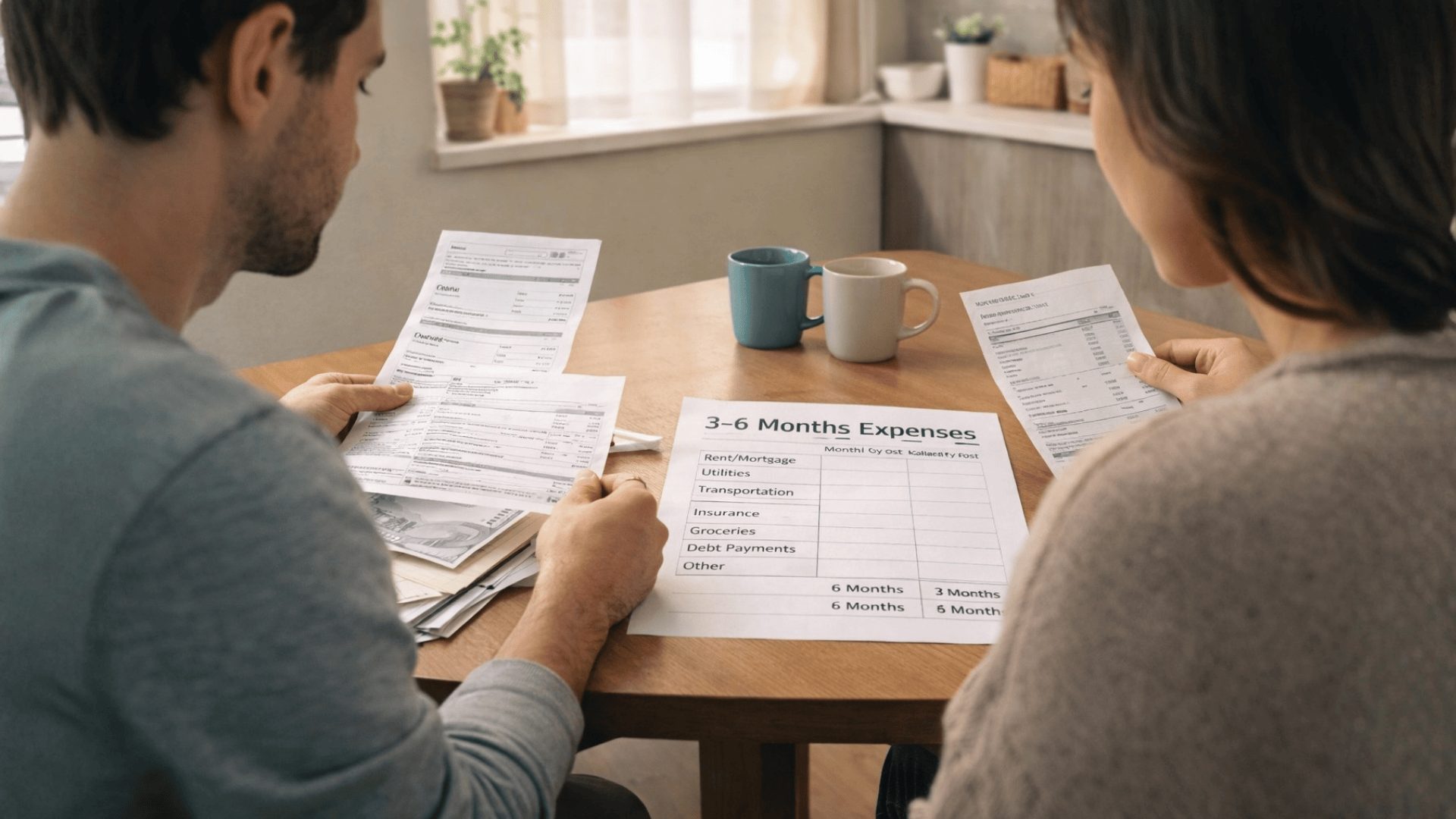
The Emergency fund amount for this situation often benefits from a larger cushion. Many families feel safer at four to six months, even if income is stable, because the number of possible surprises is higher.
If you pay for childcare, include that in essential costs. Childcare is not optional for many working parents. If childcare stops, income may stop too.
Also review your support system. If you have family that can help with childcare during a crisis, that reduces one risk. If you do not, your cash buffer matters more.
Where to keep your emergency fund
The best place is safe, easy to access, and separate from daily spending. You want to protect the money from market drops and from impulse spending.
A high yield savings account is a common option. It is usually insured, it earns some interest, and you can access it when needed. A money market account can work too if it is insured and allows simple transfers.
Avoid placing your emergency fund in stocks. Stocks can drop at the exact time you need cash. The purpose of this fund is stability, not growth.
Also avoid placing the fund in a place that charges penalties for withdrawals. You want access without extra cost.
Some people use two accounts. One account is the starter fund for small events. The second account is for the larger levels. This can reduce temptation because the larger fund feels more distant.
You can also name the account in your bank app. A clear name like “Emergency Reserve” reduces the chance you treat it like free cash.
Simple savings plan that works
Saving is not only about discipline. It is also about design. A plan that runs on autopilot will beat a plan that depends on mood.
Start with a starter goal. One month of essential expenses is a strong first milestone. If that feels too large, start with a fixed number like 500 or 1000, then move to one month.
Choose a savings method that fits your pay schedule. If you get paid every two weeks, you can save a smaller amount each payday. If you get paid monthly, save right after payday before other spending begins.
Automation is powerful. Set an automatic transfer to your savings account. Even a small amount matters because it creates a habit and it creates progress.
Next, search for a stable amount you can save each month. If income is tight, begin with a small amount and increase it after you reduce other costs or increase income.
If you receive extra money, split it. Use part for the emergency fund and part for other goals. If you put all extra money into one goal, you may quit when life feels restrictive.
Emergency fund amount milestones you can track
Milestones reduce stress because you can see progress. They also help you decide when to shift focus to other goals like debt repayment or retirement investing. A simple milestone system uses four steps. First, reach a starter buffer. Second, reach one month of essential expenses. Third, reach three months. Fourth, reach six months if your life needs that level.
Your Emergency fund amount does not need to be perfect to help you. Even one month can prevent debt in many cases. The point is progress. To increase savings speed, use three levers: reduce costs, increase income, and protect the money from spending.
Cost reduction can be simple. Review subscriptions. Review insurance quotes. Review food spending. Review transport costs. Small changes can free cash each month.
Income increase can include overtime, part time work, selling unused items, or skill training that improves pay. Even a short income boost can help you reach the starter goal faster.
Protection can include keeping the emergency fund in a separate bank, turning off easy access cards, or using an account that requires one business day transfer. That small delay can prevent impulse spending.
Common mistakes that slow progress
One mistake is choosing the wrong number. If the goal is too large, you may quit. If the goal is too small, you may still need debt during a crisis.
Another mistake is counting non essential spending as essential. Dining out, streaming upgrades, and shopping are often flexible. If a crisis hits, you can reduce those costs. Your emergency fund should cover the costs you cannot reduce quickly.
Another mistake is investing the emergency fund for higher returns. Return is not the job of this money. Stability is the job.
Another mistake is using the fund for planned costs. A planned cost is not an emergency. Car maintenance, annual bills, and holiday costs need separate savings.
Another mistake is saving without a budget. You do not need a complex budget, but you need a basic view of cash flow. When you see where money goes, you can find room to save.
When to use the fund and how to rebuild after
Use the emergency fund for events that are urgent and important. A job loss is a clear example. A medical bill you must pay is another. A car repair that allows you to work can qualify.
Before you use the fund, pause for a moment. Ask if the cost is urgent and unavoidable. If yes, use the fund without guilt. That is why you built it.
When the event ends, rebuild in a calm way. First, return to the starter level. Then rebuild to your chosen target. If you repay debt later, you can reduce interest, but do not ignore the emergency fund after you use it.
If you use the fund for a job loss, you can extend its life by reducing spending during the gap. Focus on essentials. Delay optional costs. That can protect the reserve.
If you use the fund for a medical event, ask about payment plans and discounts. Many providers offer options. A payment plan can reduce the cash need in one month.
FAQ
Emergency fund amount: should it be 3 or 6 months
Many people do well with three months when income is stable and expenses are low. Six months is often better when income risk is higher, when one income supports the home, when health risk is higher, or when job search time can be long.
If you feel unsure, aim for three months first. After you reach it, review your life risk and decide if you want to build toward six months.
What if I have debt
If debt interest is high, debt repayment matters. But a small emergency fund still matters because it prevents new debt. Many people start with a starter reserve, then focus on high interest debt, then build the emergency fund to a larger target.
Yes. Housing and basic food are core essentials for most people. Include basic transport and utilities as well.
Can I use a credit card instead of a fund
A credit card can help in a true crisis, but it can also create long term cost. Interest and fees can be heavy. A cash reserve is safer because it does not create a new bill during a stressful time. You do not need a perfect plan to start. You need a clear number and a simple system. Calculate your essentials, choose a target range, and build in stages. If you keep progress steady, you will reach a safer place.
The best Emergency fund amount is the one that matches your real expenses and your real risk, and the one you can build without quitting. Start with a small milestone, protect the money, and keep adding to it. Over time, that reserve can turn a financial emergency into a manageable problem.