Groceries and gas are two of the most common weekly expenses. That is why the right card can make a real difference over a full year. But “best” depends on how you spend. Some cards shine if you spend a lot at supermarkets. Some are better if you want to no annual fee. Others win if you want one card for both groceries and gas without tracking rotating categories.
This guide walks you through the best cashback credit cards for groceries and gas, plus how to choose the right one based on your habits. I’ll keep it simple and practical. Also, only use rewards cards if you can pay the statement balance in full. Interest can wipe out rewards fast.
What counts as groceries and gas on credit cards
Before picking a card, it helps to know how issuers categorize purchases. A “grocery store” category often means traditional supermarkets. It may not include warehouse clubs or superstores. This is a common surprise for people who shop at places like warehouse clubs, big box stores, or stores inside another business. Category rules are based on how the merchant is coded, not what you bought.
Gas is usually straightforward when you pay at the pump or inside a gas station. But there can be edge cases if the station is attached to a grocery store or warehouse club, because the merchant coding can differ. An emergency fund also helps your health.
How to pick the best cashback credit cards for groceries and gas
Start with your monthly spend
A card with a high grocery rate and an annual fee can still be a great deal if you spend enough on groceries to beat the fee. If your grocery spend is smaller, a no annual fee card might be better.
Decide if you want one card or a two card setup
One card is simple. A two card setup can earn more that like using one card for groceries and another for gas, but it takes more tracking.
Watch for caps and limits
Many grocery and gas bonus rates have limits, like “up to $6,000 per year” or “up to $500 per billing cycle.” If you spend more than the cap, your rate can drop.
Make sure cash back is easy to redeem
Some cards give a statement credit. Some use points that can be redeemed for cash. Simpler is usually better for most people.
Top picks for the best cashback credit cards for groceries and gas
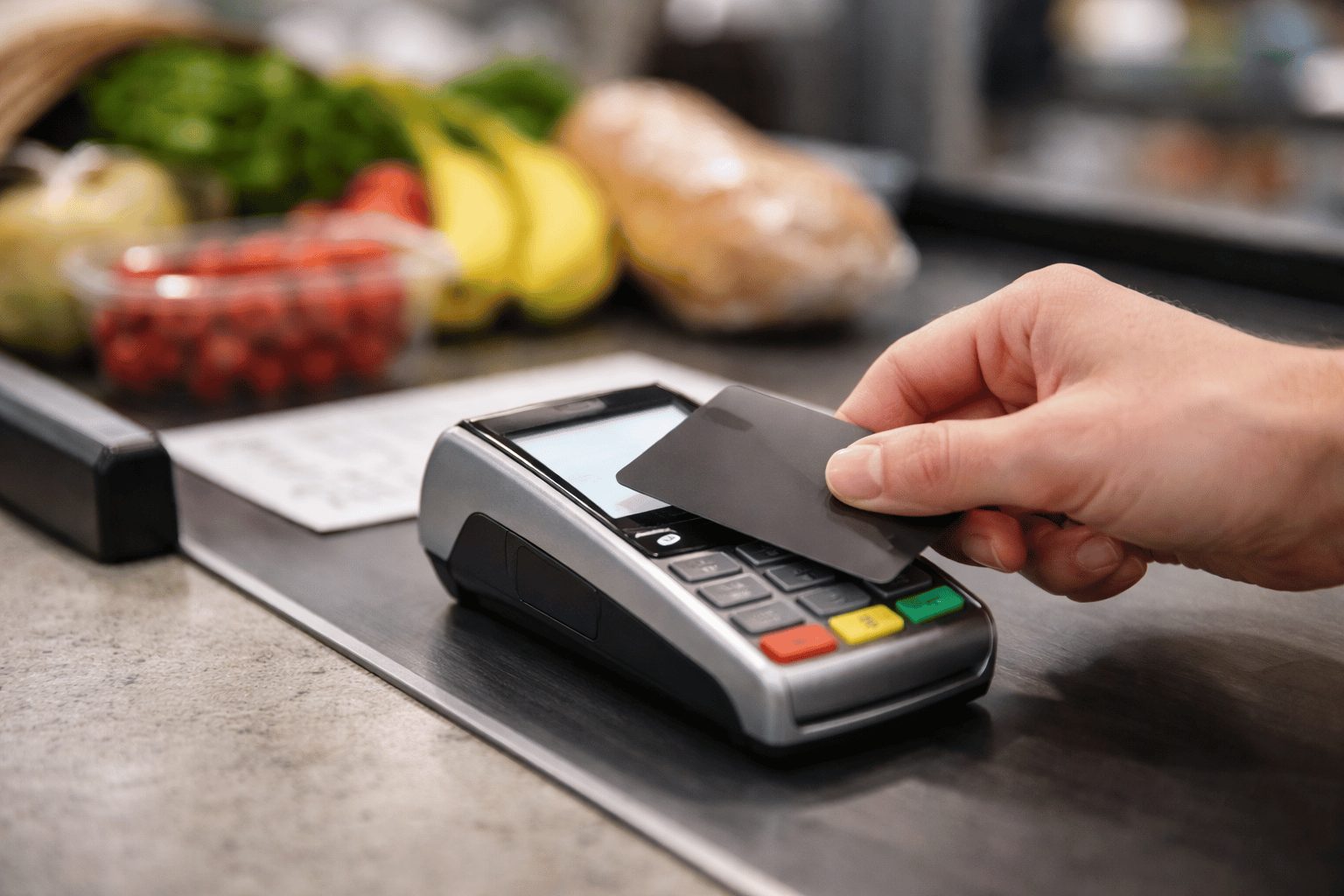
Below are strong options that consistently show up as top grocery and gas cards, with the key details that matter.
Blue Cash Preferred from American Express
Why it is great for groceries
Blue Cash Preferred is a popular because it is built around supermarket spending. It offers 6% cash back at U.S. supermarkets, up to yearly limit, which is one of the highest grocery rate you will see on the mainstream cash back card. It also offers 3% cash back on U.S. gas stations, so you can earn on two of the most common weekly categories. If your spending is steady, this card can turn on everyday shopping into meaningful cash back over a full year.
Another reason people like it is simplicity. You do not have to activate rotating categories. You do not have to track a different bonus every quarter. If you shop at a true supermarket and you buy gas regularly, it is easy to use the card correctly. That makes it easier to stay consistent, which is what matters most with rewards.
Who it is best for
This card is usually best for the households that spend a lot at supermarkets. If your grocery spending is highly enough, the extra cash back can beat the annual fee. It can also be a strong choice for all families who do weekly grocery runs, cook at home often, or buy a lot of household items at a supermarket. People who drive often may also like it because the gas category adds extra value without needing a second card.
It is also a good fit for anyone who prefers a “set it and forget it” rewards setup. If you want one main cards for groceries and gas without keeping track of rotating categories, Blue Cash Preferred is often the easiest options.
What to watch
There is a supermarket spending cap for the 6% rate. After you hit the cap, the grocery rate drops. That means heavy spenders should track progress during the year. If you go over the cap, it helps to have a backup card for grocery spending so you do not earn the lower rate for the rest of the year.
Also, check what counts as “supermarket” based on how you shop. Some stores people think of as grocery do not code that way. Warehouse clubs and some big box stores often do not qualify as supermarkets. Even if you want to buy groceries there, the store category may not earn the grocery bonus. A quick way to confirm is to make a small purchase at your main store and check how it posts in your rewards categories.
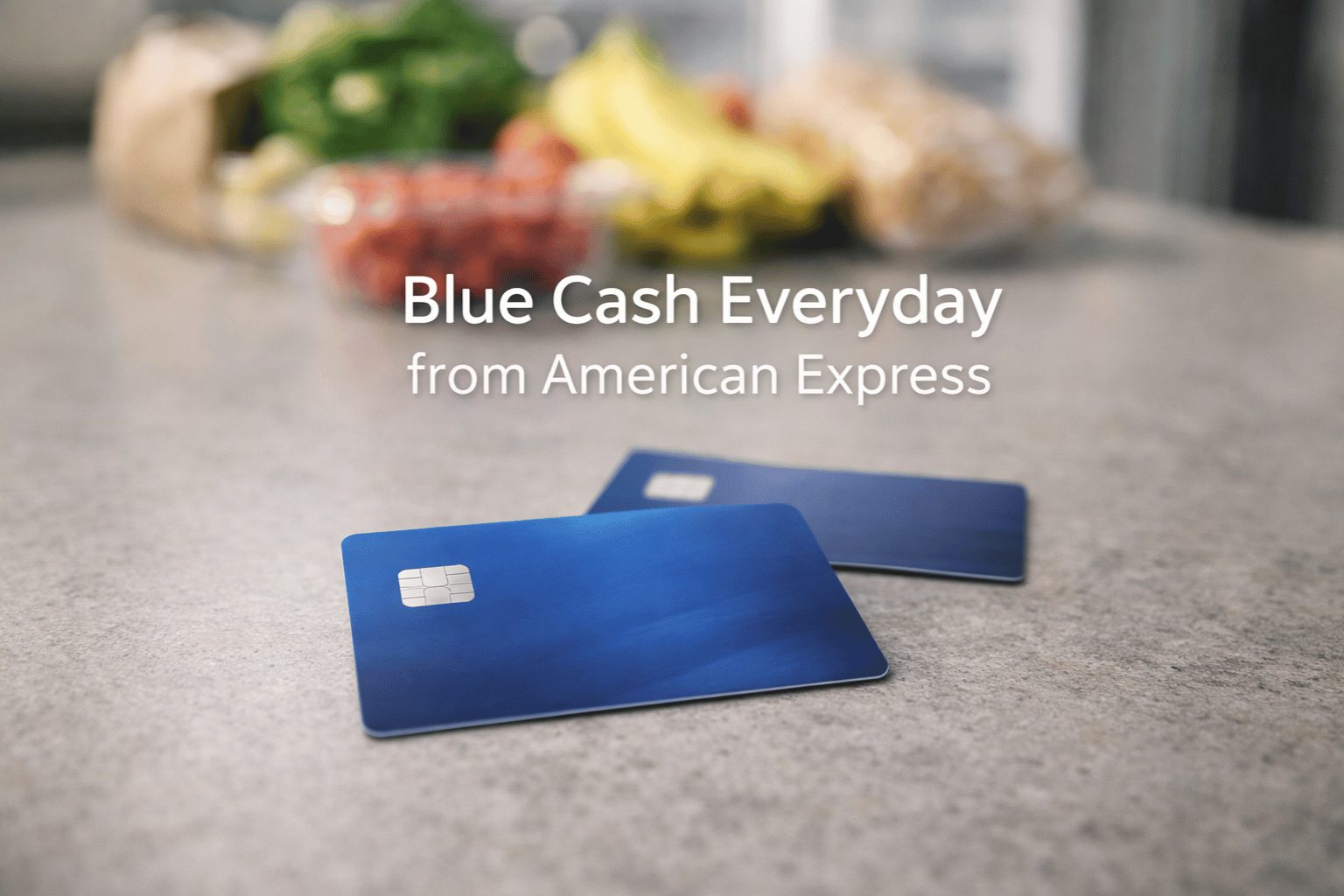
Blue Cash Everyday from American Express
Why it is great for a no fee option
Blue Cash Everyday is the strong pick if you want rewards on groceries and gas without paying an annual fee. It offers 3% extra cash back at U.S. supermarkets up to a yearly cap, and it also earns 3% at U.S. gas stations up to a yearly cap. For many people, that covers the two most common weekly spending categories with one simple card. It is also easy to use because you are not dealing with rotating categories or activation deadlines. You just use the card for groceries and gas and collect the rewards.
This card is often recommended as a practical everyday option because it gives solid rates in the categories people actually spend on. Investopedia’s 2026 awards also listed it as a top gas card pick, which supports why many people consider it when gas rewards matter. (investopedia.com)
Who it is best for
People who want a simple, no annual fee card for groceries and gas and do not want to overthink the setup. . If you are not spending enough to beat an annual fee on a premium cash back card, a no fee option like this can be the better long term value.
What to watch
Like many cards, the higher grocery and gas rates are capped each year. Once you hit the yearly cap, the earning rate drops for the rest of the year in those categories. That means it helps to watch your spending if you have high grocery or gas costs. If you tend to go over caps, you may want a backup card for extra grocery or gas spending.
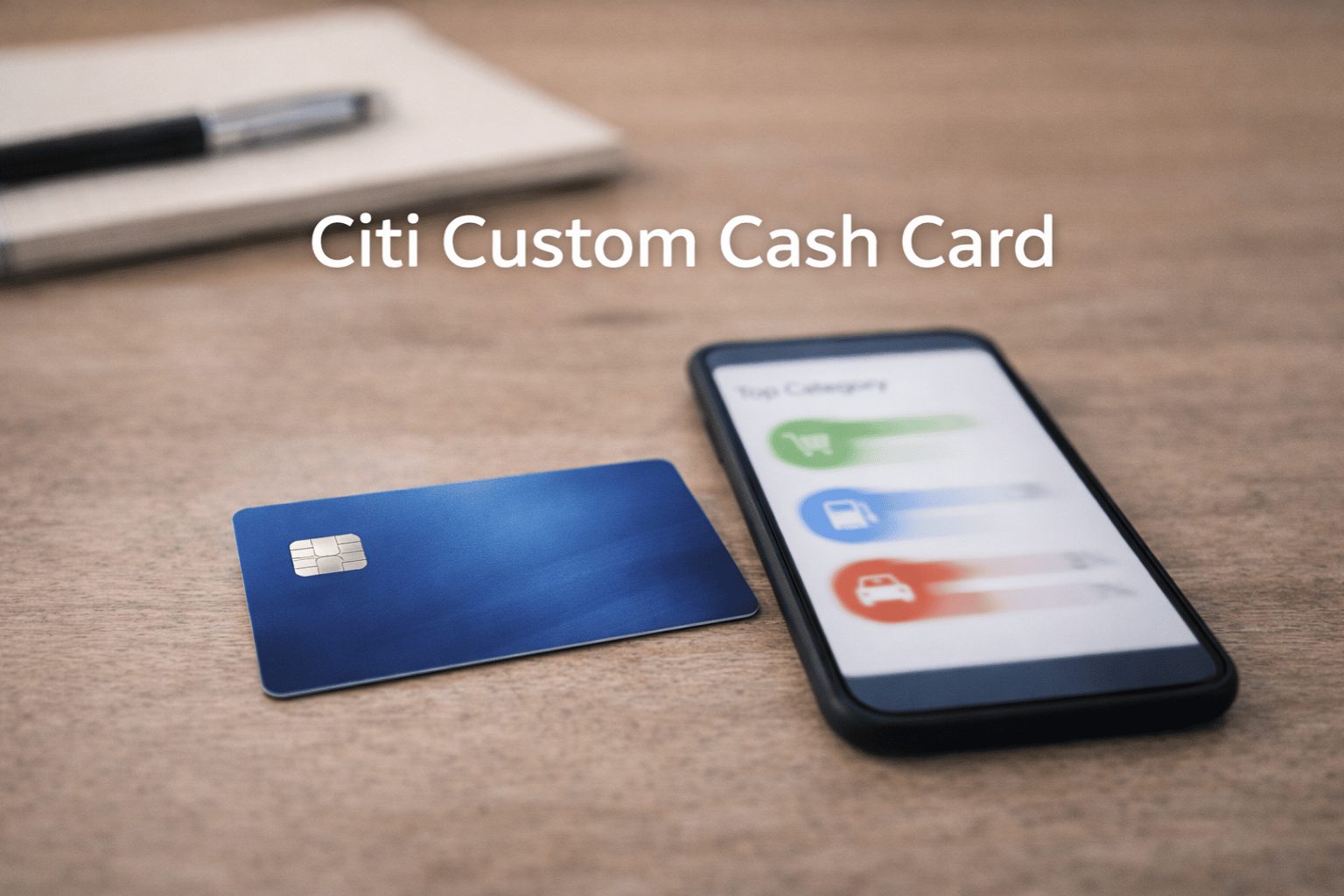
Citi Custom Cash Card
Why it is strong for either groceries or gas
Citi Custom Cash is strong because it can give you a high return without making you track rotating categories. It earns 5% cash back on your top eligible category each billing cycle, up to $500 in spending per billing cycle, then 1% after that. Grocery stores and gas stations are eligible categories, so it can work for either one depending on where you spend the most that month.
This setup is useful because it matches real life. Some months you might spend more on groceries. Other months you might spend more on gas, like during travel, long commutes, or busy weeks. The card adjusts based on what you actually do. If you keep your spending in your top category under the $500 cap, the value can be very strong.
Who it is best for
People who want to maximize one category each month without overthinking it. If you spend up to $500 a month mainly on groceries, this can be excellent because the 5% rate can beat most flat rate cards. If gas is your biggest category some months, it can switch automatically, which is helpful for people with changing schedules.
It is also great for a “one job” strategy. Many people use it as a dedicated grocery card or a dedicated gas card and keep other spending on a different card. That makes the results more predictable, and it helps you avoid accidentally losing the 5% category to another spending type.
What to watch
The key limitation is the one category rule. It is not 5% on both groceries and gas at the same time in the same billing cycle, unless one of them is still your top category and the other spend is small. It picks your single top eligible category each billing cycle.
Wells Fargo Autograph Card
Why it is useful for gas and everyday categories
Wells Fargo Autograph is useful because it covers gas and several other common spending categories with the same strong rate. It earns 3X points on gas stations and also includes other everyday categories like transit and travel. It has no annual fee, so you can keep it long term without worrying about “earning enough to beat the fee.
This makes it a good “one card” option for people who want solid rewards without tracking rotating categories or worrying about hitting a yearly grocery cap. If your spending is spread across gas, commuting, and a few lifestyle categories, this card can feel simple and consistent.
Who it is best for
People who want strong gas rewards and do not want to deal with category caps for gas, plus want a card that also works for travel, transit, and other common spend. It can be a great fit for commuters, drivers, and anyone who wants one main card for daily life instead of juggling multiple cards.
It is also useful as a “gas plus” card in a two card setup. For example, you can pair a grocery focused card with Autograph for gas and other categories, so each card has a clear job.
What to watch
This is points, not straight cash back. Wells Fargo notes you can redeem rewards in multiple ways, including as a cash redemption option, depending on the rewards program setup.
Before you rely on it as a cash back card, check that redemption is simple for you and that you can redeem points at a value you are happy with.
Pairing strategy that often wins
If you want higher total returns, pairing two cards can beat any single card.
Pair A: Groceries focused plus gas focused
Use Blue Cash Preferred for groceries at US supermarkets and keep its gas benefit, then use a simple flat rate card for everything else. The grocery rate is the main reason this setup works.
Pair B: Custom Cash plus a gas card
Use Citi Custom Cash for groceries if you are near the $500 per billing cycle range, then use a strong gas category card like Autograph for gas. This keeps each card doing one clear job.
How to estimate which card saves you more
Here is a simple way to decide without complicated math.
- Estimate your monthly grocery spend at supermarkets.
- Estimate your monthly gas spend.
- Multiply each by the reward rate you expect to earn.
- Subtract any annual fee.
- Make sure you are not exceeding the category cap.
Example idea
If you spend enough at supermarkets, a 6% grocery rate can beat a 3% rate by a lot over a year, even after a fee. That is why Blue Cash Preferred is often highlighted as a top grocery card.
Common mistakes people make with grocery and gas rewards
Many people assume warehouse clubs code as groceries. Often they do not. Always check how your main store codes, because merchant coding controls rewards. A card might look amazing until you hit the cap. After that, the earning rate can drop, and you might want a backup card for overflow spending.
Carrying a balance
Rewards do not matter if you pay interest. If you carry a balance, the interest cost can easily exceed cash back earned. Welcome bonuses can be valuable, but only if you can meet the spending requirement without overspending. Focus on long term fit first.
FAQs
Are these the best cashback credit cards for groceries and gas for everyone
Not always. The best option depends on your grocery store, your gas spend, and whether you want to pay an annual fee. Start with your spending pattern, then pick.
Should I use one card or two cards
One card is simpler. Two cards can earn more. A common approach is one card for groceries and one card for gas.
What if my grocery store does not code as a supermarket
If your main store does not code as a supermarket, look for cards that treat your spending differently, or consider changing where you shop if the rewards difference is large.
What is the safest way to use rewards cards
Pay the statement balance in full and on time, keep utilization low, and do not buy things you would not buy without the card.