Credit Score: Everything You Need to Know
A strong credit score is key to your financial health. Lenders use it to decide if they can trust you to repay. It matters for mortgages, car loans, credit cards, and even insurance. A higher score means lower interest rates and better loan offers. With a good credit score, borrowing gets easier and cheaper.
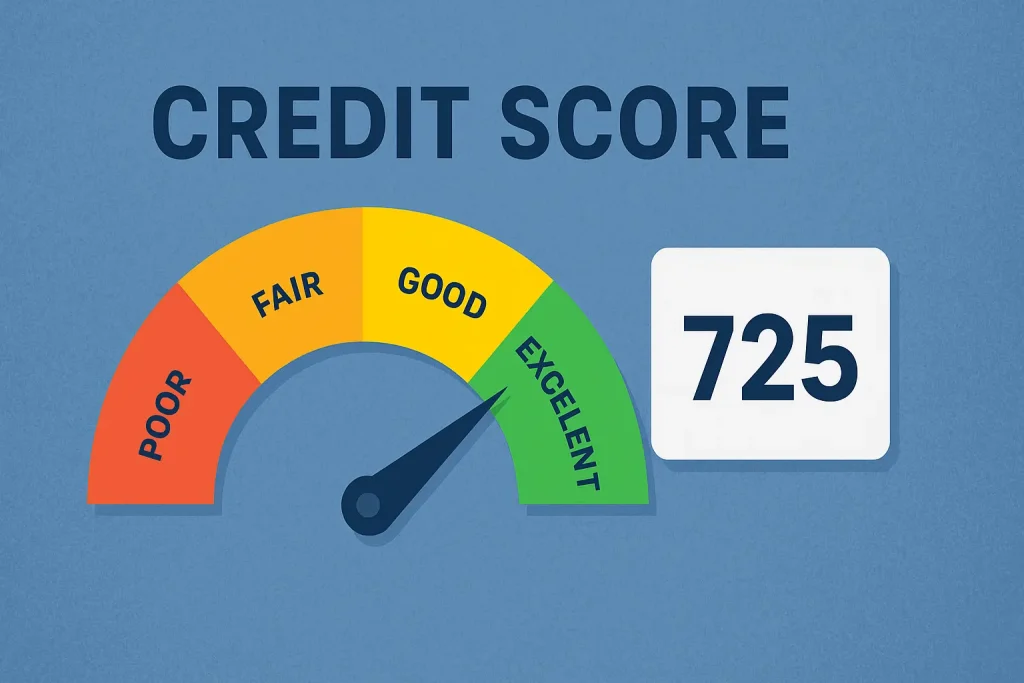
What Is a Credit Score?
-
A numerical representation (typically 300–850) of your credit risk
-
Calculated by credit bureaus (Experian, Equifax, TransUnion) using information from your credit reports
-
Used by lenders, landlords, insurers, and sometimes employers
How Credit Scores Are Calculated
-
Payment History (35%)
-
On-time vs. late payments
-
Public records (bankruptcies, judgments)
-
-
Amounts Owed (30%)
-
Credit utilization ratio (balance ÷ limit)
-
Total outstanding debt
-
-
Length of Credit History (15%)
-
Age of oldest account
-
Average account age
-
-
Credit Mix (10%)
-
Revolving credit (cards) vs. installment loans (auto, mortgage)
-
-
New Credit Inquiries (10%)
-
Hard inquiries from loan or credit card applications
-
Opening multiple accounts in a short period
-
Why Your Credit Score Matters
-
Lower Interest Rates: Save thousands over the life of a loan.
-
Higher Approval Odds: Especially for large loans or premium credit cards.
-
Better Insurance Premiums: Some insurers offer discounts to high-scorers.
-
Employment & Rental Applications: Many employers and landlords check scores.
How to Check Your Credit Rating
-
Free Annual Reports: Visit AnnualCreditReport.com for one free report per bureau each year.
-
Credit Card Portals: Many issuers provide free monthly scores.
-
Credit Monitoring Services: Offer regular updates and alerts (see next section).
- Higher approval rates and better loan terms
- Lower interest rates on mortgages, auto loans, and credit cards
- Access to premium rewards cards and credit products
- Improved negotiating power with lenders and insurers
- Hard inquiries can temporarily lower your score
- Negative marks (late payments, collections) can linger for years
- Requires disciplined budgeting and payment habits
- Errors in your report may go unnoticed without regular checks
Tips to Improve
-
Pay Bills on Time: Automate payments or set reminders.
-
Reduce Credit Utilization: Keep balances below 30% of limits.
-
Don’t Close Old Accounts: Maintains credit-history length.
-
Limit New Applications: Space out credit inquiries by six months.
-
Dispute Errors: Review reports for inaccuracies and file disputes promptly.