Your 20s and 30s can shape your whole financial future. This is when you get your first real paycheck, pay your own bills, and make big choices about career, spending, and lifestyle. The problem is that many people learn money lessons the hard way. A small mistake at 25 can cost years of progress. A big mistake at 32 can create stress that follows you for a long time.
This post breaks down the most common financial mistakes in your 20s and 30s and shows simple ways to avoid them. You do not need to be perfect. You just need a clear plan and a few good habits.
Financial mistakes in your 20s and 30s: why they happen
Most financial mistakes in your 20s and 30s are not caused by being lazy or careless. They happen because this stage of life is busy and full of change. You are building your career, managing new responsibilities, and trying to enjoy life at the same time. Money decisions are happening every day, often without enough time to think them through.
Another major cause is social pressure. People see friends traveling, buying new cars, wearing expensive clothes, and posting a “perfect life” online. It creates a feeling that you should keep up. The problem is that you never see the full story. You do not see their debt, family support, or stress behind the scenes. Comparing your real life to someone else’s highlight reel can push you into financial mistakes in your 20s and 30s without even realizing it. A lot of people also never learn the basics of personal finance. Many schools do not teach how credit card interest works, how to build an emergency fund, or how to invest long term.
Mistake 1: Spending without a simple plan
Many people think budgeting means saying no to everything. It does not. A budget is just a clear plan for your money so you stay in control. Without a plan, spending becomes reactive. You buy things based on mood and stress. Social pressure, or convenience. Then payday comes again, and you feel like your money disappeared.
This is one of the most common financial mistakes in your 20s and 30s because life is busy. You are working, studying, building a career, and trying to enjoy life. When you do not plan, small costs add up fast. Coffee, food delivery, subscriptions, ride sharing, and random online purchases can slowly drain your account. You may not notice until you try to save and realize there is nothing left.
A bigger issue is that spending without a plan often leads to guilt. You feel bad after spending, so you try to “be strict” the next week. Then you get tired and spend again. This cycle makes money feel stressful, even if you earn enough.
How to avoid this mistake
Start with the simplest version of a plan. You do not need a perfect spreadsheet. You only need clarity.
First, write down your monthly income. Use your average income if it changes.
Next, list your fixed costs like rent, utilities, transport, phone, internet, and minimum debt payments.
Then choose spending limits for flexible items like groceries, eating out, personal care, and entertainment.
Finally, choose a saving amount, even if it is small.
A simple rule that works for many people is paying yourself first. On payday, move a set amount into savings right away. Then live on the rest. This makes saving automatic instead of optional.
Also, use weekly check ins. Once a week, look at what you spent and adjust. The goal is awareness, not perfection.
Mistake 2: Lifestyle inflation after every raise
Lifestyle inflation means your spending grows every time your income grows. You earn more, so you upgrade everything. A nicer phone, a better car, a more expensive apartment, more eating out, more shopping. It feels normal because your friends may be doing the same thing. But it keeps you stuck, because your savings never improve.
This is one of the biggest financial mistakes in your 20s and 30s because raises are powerful. If you keep your lifestyle the same for a while after a raise, you can build real savings quickly. But if every raise turns into new monthly expenses, you lose that advantage.
Lifestyle inflation also increases pressure. When your costs go up, you need your income to stay high. That makes job changes, business risks, or breaks much harder.
How to avoid this mistake
Use a simple rule for raises. Save at least half of every raise and enjoy the rest. You still improve your life, but you also build real wealth.
Another smart move is to upgrade slowly. Instead of changing rent, car, and lifestyle all at once, choose one upgrade that truly matters. Keep the rest stable. This protects your budget.
Also, focus on upgrades that lower stress long term, not upgrades that only impress people. For example, building a stronger emergency fund or paying down high interest debt gives more real comfort than a flashy purchase.
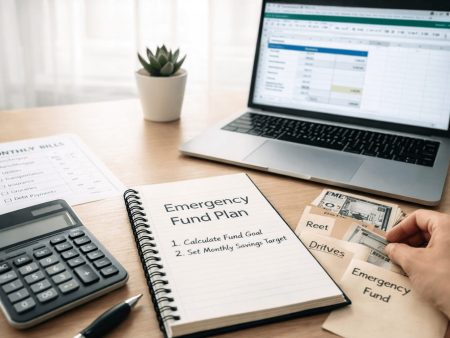
Mistake 3: Ignoring an emergency fund

An emergency fund protects you from surprises. Job loss, medical costs, family needs, phone replacement, car repairs, and sudden travel can happen any time. Without savings, you use credit cards or loans. That creates long term debt from a short term problem.
This is one of the most expensive financial mistakes in your 20s and 30s because emergencies are not rare. They are part of real life. Even a small emergency can push you into months of interest payments.
Emergency savings also protect your mental health. When you have a buffer, you feel calmer. You can handle problems without panic.
How to avoid this mistake
Start small. Build a starter fund first. Even a small amount makes a difference. Then work toward one month of expenses. After that, build toward three to six months, depending on your job stability and responsibilities.
Keep this money separate from your daily spending account. Put it in a safe place where you can access it in a real emergency, but not casually spend it.
A simple way to build it is automatic saving. Set a small weekly or monthly transfer. The amount matters less than consistency.
Mistake 4: Using credit cards the wrong way
Credit cards are not bad. The problem is carrying a balance and paying high interest. Many people pay only the minimum payment and stay in debt for years. Interest can grow faster than you expect, especially when you keep using the card while also trying to pay it off.
Credit card debt also creates a mental burden. Even if you can manage the payments, the debt stays in the background and makes it harder to save and invest.
How to avoid this mistake
If you use credit cards, follow one main rule: pay the full balance every month. Use the card for convenience, rewards, and safety, not as a loan.
If you already have credit card debt, choose a clear payoff method.
High interest first method: pay extra on the card with the highest interest rate while paying minimums on the rest.
Small balance first method: pay off the smallest balance first to build motivation and momentum.
Both work. The key is steady progress and stopping new debt while you pay it down. If possible, reduce spending temporarily and redirect that money to the payoff plan.
Mistake 5: Buying a car that is too expensive
A car can be one of the biggest financial traps. Monthly payments, insurance, fuel, repairs, and parking all add up. Many people stretch their budget to buy a car that looks good, then feel pressure every month. If you miss one paycheck or face a surprise expense, the car payment becomes stressful fast.
Car debt is especially risky because cars lose value over time. You can end up paying a lot for something that is worth less every year.
How to avoid this mistake
Choose a car that fits your needs, not your ego. Focus on reliability and running costs. If you can, buy a reliable used car and keep it for several years.
If you finance, avoid long loan terms. Long loans reduce the monthly payment but increase total interest and keep you locked in for years.
Also consider the full cost, not just the monthly payment. Insurance, fuel, maintenance, and repairs should all fit comfortably in your budget.
Mistake 6: Not saving for retirement early

This is one of the most common financial mistakes in your 20s and 30s. People delay retirement savings because it feels far away. But time is your biggest advantage. Starting early gives your money more time to grow. Even small contributions in your 20s can become large later because of compounding.
Waiting until your late 30s or 40s usually means you have to save much more to catch up.
How to avoid this mistake
If your job offers a retirement plan, start contributing as soon as you can. Even a small amount matters. If there is a company match, aim to get the full match first. It is basically free money.
If you are self employed, look for retirement options available in your country and start a simple monthly contribution plan. Make it automatic so you do not rely on motivation.
The goal is to build the habit early. You can increase the amount later.
Mistake 7: Not investing because you are afraid
Some people avoid investing because they think it is gambling. Others think they need a lot of money to start. Some people are scared because they heard stories about market crashes. But the real risk is doing nothing and letting inflation slowly reduce the value of your savings.
Investing is not about getting rich overnight. It is about long term growth and protecting your future buying power.
How to avoid this mistake
Learn the basics and keep it simple. Start with broad, diversified options that match your risk level. Avoid trying to “win” with random picks or fast decisions.
If you feel nervous, start small. The goal is consistency, not perfect timing. Many people succeed by investing regularly over time instead of trying to predict the market.
Also remember that investing works best when you have your basics in place, like an emergency fund and a plan for high interest debt.
Mistake 8: Trying to impress people with spending

Social pressure is real. People spend on clothes, weddings, gadgets, restaurants, and travel to match what they see around them. It looks normal on social media, but you never see the debt behind the photos. Many people who look “rich” are actually stressed.
This is one of the biggest financial mistakes in your 20s and 30s because it can lead to long term debt and zero savings, even with a good income.
How to avoid this mistake
Build your spending around your values. Ask yourself what actually brings you happiness and what is only pressure.
Give yourself a fun money budget. This is important because being too strict can backfire. Fun money lets you enjoy life without guilt, but it keeps your big goals protected.
Also practice saying no. You do not have to join every plan. A confident “not this time” can save you thousands over the years.
Mistake 9: Skipping insurance and basic protection
Insurance feels boring until you need it. A single accident, health issue, or unexpected damage can destroy years of savings. Many people skip protection to save money, then pay a much bigger price later.
This is one of the most dangerous financial mistakes in your 20s and 30s because it can hit suddenly and hard.
How to avoid this mistake
At minimum, understand your health insurance, vehicle insurance, and basic coverage for your situation. If others depend on your income, life insurance can also matter.
The right coverage depends on your country and personal situation, but the goal is the same: protect yourself from major financial shocks that would otherwise force you into debt.
Mistake 10: Not improving income and skills
Cutting expenses helps, but income matters too. Many people stay in the same role for years without negotiating salary, learning new skills, or exploring better opportunities. Then they feel stuck, especially when costs rise.
Improving your income gives you more room to save, invest, and handle emergencies. It also reduces stress.
How to avoid this mistake
Treat skill building like a long term investment. Choose one skill that can increase your value and work on it consistently. It could be communication, sales, data skills, design, coding, project management, writing, or a trade.
Also learn to negotiate. Even one successful salary negotiation can change your financial path. If you feel uncomfortable negotiating, start by practicing with small things and building confidence.
Finally, keep your eyes open. Better opportunities often come from networking, learning, and being willing to make a move when the time is right.
Financial mistakes in your 20s and 30s: a simple action plan you can start this week
You do not need to fix everything at once. Start with a few steps that give fast results.
Step 1: Track your spending for 7 days
Write down every expense for one week. This quickly shows patterns and leaks.
Step 2: Build a starter emergency fund
Aim for a small target first. Even a starter fund can prevent credit card use.
Step 3: Pay down one debt aggressively
Pick one debt and put extra money toward it for the next 30 days.
Step 4: Automate one saving habit
Set up an automatic transfer the day after your paycheck arrives. Automation reduces decision fatigue.
Step 5: Choose one money goal for the next 90 days
Examples include paying off a card, saving for a trip without debt, or building a three month emergency fund. A clear short goal keeps you consistent. To easy income tricks visit : Valuedad
Financial mistakes in your 20s and 30s
Making mistakes is normal. What matters is learning early and adjusting fast. The biggest financial mistakes in your 20s and 30s come from not having a plan, living above your means, and delaying savings and investing. When you build simple habits, money becomes less stressful.