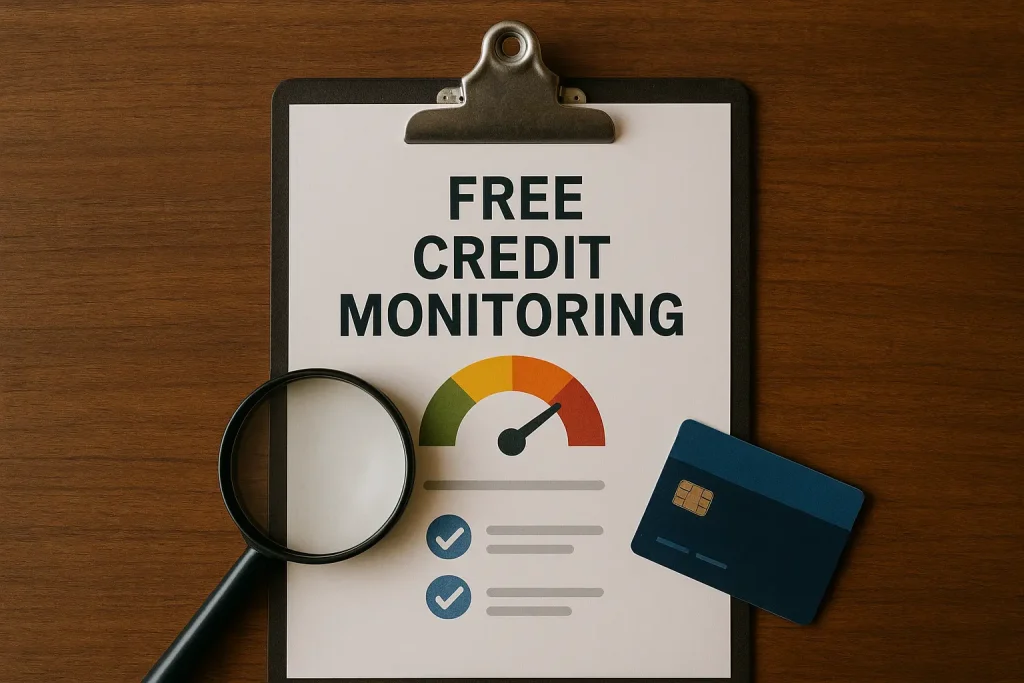
Many companies want you to pay each month to “protect your credit.” But do you need credit monitoring? The answer is yes, but you don’t have to pay for it. This guide explains what credit monitoring is, how it helps, and how to get it for free. If you’re trying to improve your credit, free credit monitoring is a smart and simple first step.
What Credit Monitoring Actually Means
Credit monitoring means watching your credit report for changes. It tells you if someone opens a new account in your name, changes your address, or pulls your credit report.
These alerts come from the three main credit bureaus:
-
Equifax
-
Experian
-
TransUnion
If there’s a new loan, credit card, or drop in your credit score, the system alerts you. This helps you act fast if something looks wrong.
But credit monitoring doesn’t stop fraud. It only alerts you after something happens. It won’t block fake accounts or fix identity theft. You’ll still have to take action if there’s a problem.
Is It Worth Paying For?
Credit monitoring can help. But paying for it isn’t always needed.
Paid credit monitoring gives you:
-
Alerts from all three bureaus
-
ID theft insurance
-
Dark web scans
-
SSN tracking
These extras can be good if your data was stolen. But many people don’t need all that. Paid services can cost $10 to $30 per month.
Free credit monitoring gives you:
-
Alerts when something changes on your credit report
-
A free credit score
-
Credit tips and advice
For most people, this is enough. You can get alerts and check your score without spending money.
Best Free Credit Monitoring Services
You don’t have to pay to watch your credit. These free tools work well:
Credit Karma
-
Tracks Equifax and TransUnion
-
Gives your credit scores
-
Offers advice to improve your credit
Experian Free Credit Monitoring
-
Monitors your Experian credit report
-
Sends alerts about new accounts
-
Shows your FICO® Score
myEquifax
-
Tracks changes on your Equifax report
-
Lets you freeze and unfreeze your credit
Credit Sesame
-
Monitors TransUnion
-
Gives your credit score
-
Offers simple credit tools
These companies don’t sell your personal data. They make money when users sign up for credit cards or loans. Just be careful—don’t click on offers you don’t need.
How to Sign Up Without the Spam
You can sign up for free credit monitoring without getting flooded with emails. Here’s how:
-
Choose a trusted brand. Stick with well-known names like Credit Karma or Experian.
-
Use a separate email. This keeps marketing emails out of your main inbox.
-
Say no to extras. Skip free trials or paid upgrades.
-
Read the terms. Make sure your data won’t be shared.
-
Set up alerts. Choose how you want to get updates: by email, app, or text.
This way, you get the help without the hassle.
When You Need More Than Monitoring
Sometimes, credit monitoring isn’t enough. You may need more protection if:
-
Your identity was stolen
-
Someone got your Social Security number
-
You want to block all new credit applications
In these cases, consider a credit freeze. It stops anyone—even you—from opening new credit accounts. Lenders can’t check your credit, so no one can open new loans in your name. Freezes are free and can be lifted later. You can also add a fraud alert. This tells lenders to double-check before they approve new credit. It lasts for one year and is also free. If your identity is stolen, go to IdentityTheft.gov for help.
You don’t need to spend money to protect your credit. Free credit monitoring tools can alert you if something changes. That helps you act fast and stay safe. You can sign up in minutes. It’s simple, useful, and doesn’t share your data. Whether you’re rebuilding your credit or just being careful, credit monitoring is a smart step. And the best part? You can do it for free. Learn what a credit score is, how it’s calculated, and why it matters for your financial health.