How to Use Blockchain Payments in 2025
Blockchain payments have become a broadly popular choice for conventional payment methods. With rapid transactions, low fees, and accelerated safety, blockchain is now used for the whole thing from ordinary buy to worldwide switch. This decentralized machine cuts out the intermediary, which lets in, for instance, obvious transactions. As extra businesses and purchasers realize the benefits of blockchain pricing, adoption continues. Whether you provide a freelancer, a small business owner, or a shopkeeper, blockchain payment is a handy and reliable solution. The ability to pass conventional banking structures makes it simpler to ship beyond limits without excessive fees.
With greater industries integrating blockchain payments, the future looks bright for this progressive payment technique. In addition to the hurry and cost savings, blockchain affords a degree of protection and transparency that the conventional machine cannot provide. As adoption will increase, we will expect greater consumer-friendly structures, making blockchain even more handy. Are you equipped to make a switch? This manual will help you navigate the method of the usage of the blockchain charge phase segment.
Why Blockchain is the Future of Payments
Blockchain technology is revolutionizing how we consider bills, and it is quickly turning into the desired technique for transactions around the world. Unlike conventional price systems, which contain banks and 1/3-party intermediaries, blockchain removes the need for these middlemen, presenting an instantaneous, peer-to-peer transaction revel in. As greater corporations and clients adopt blockchain payment bills, we’re seeing a shift toward a quicker, extra stable, and value-driven manner to handle economic transactions. In 2025, blockchain’s function in everyday transactions will continue to grow, providing an alternative that isn’t only reliable but also greener.
With this digital shift, the safety of the blockchain era is turning increasingly critical. It’s changing how we manage virtual assets, making the entire payment system extra streamlined and obvious. Whether you’re making local bills or moving finances the world over, blockchain is becoming the go-to option. The mixture of low expenses, brief processing times, and decentralized management is why blockchain bills are poised to become the future standard. So, why are blockchain bills becoming a pass-to solution for agencies and clients alike?
Let’s take a closer look at why –
- Speed: Blockchain payments are processed much faster than traditional methods.
- Lower Costs: The fees are generally much lower, especially for international transfers.
- Security: Transactions are encrypted and stored on a public ledger, making them secure and nearly impossible to tamper with.
- Transparency: Since transactions are recorded on a public ledger, it’s easy to track them.
These advantages make blockchain-primarily based charge systems a smart preference for individuals who need to send or receive cash effectively. As the sector continues to adopt digital charge answers, blockchain is the main way, offering a steady, transparent, and fee-effective alternative to traditional financial structures. With blockchain bills, agencies can reduce transaction costs, and purchasers can enjoy quicker, safer transfers. As generations continue to conform, blockchain is ready to revolutionize the way we manage regular monetary transactions, shaping the future of bills for years to come.
Step 1: Get a Blockchain Wallet
Before you can start using virtual currency price techniques, you’ll need to set up a virtual wallet. Think of it as your private vault for cryptocurrencies, wherein you could shop, send, and receive digital property securely. Whether you are new to blockchain payments or seeking to make your first transaction, your pocket is step one in getting started. With such a lot of pocket alternatives available, choosing the right one is vital for both protection and ease of use. In this step, we’ll manual you through the types of wallets you could choose from, and a way to ensure your digital property is secure. There are a few types of wallets you can choose from, each with its own set of features:
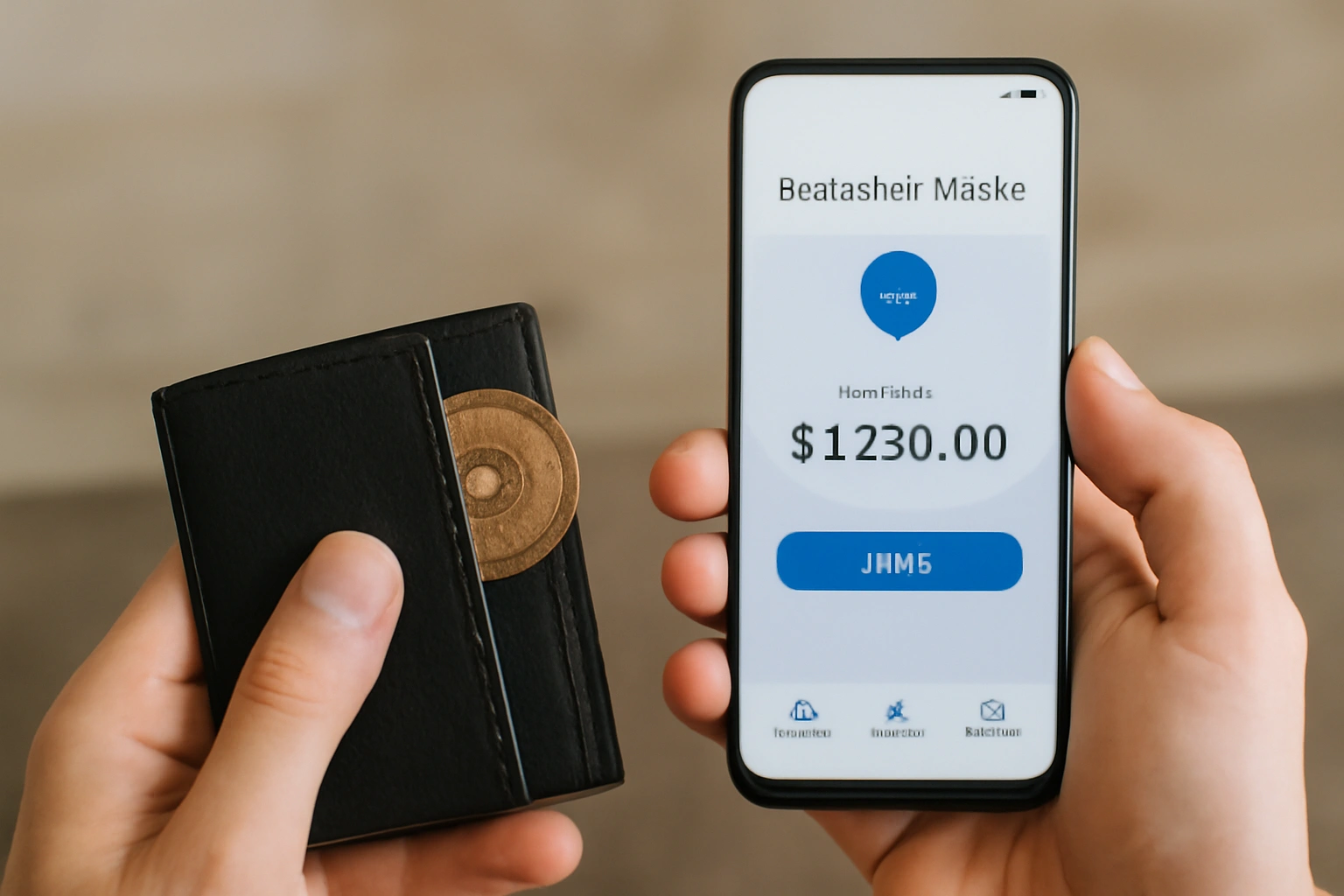
- Mobile Wallets: Apps like MetaMask or Coinbase Wallet are great for everyday use. These wallets are convenient and easy to use for quick transactions, whether you’re paying online or sending cryptocurrency to friends.
- Web Wallets: These are accessible through a web browser, offering flexibility and convenience when accessing your wallet from multiple devices. They often come with backup options, but make sure you’re using a trusted platform.
- Hardware Wallets: These are physical devices (like Ledger or Trezor) that store your cryptocurrency offline, providing extra protection against hacking. They are considered the safest choice for storing significant amounts of crypto.
When selecting a pocket, ensure that it supports the cryptocurrencies you want to use. Additionally, choose wallets with strong security features that include two-factor authentication (2FA). This extra layer of protection is important, especially in case you plan on holding enormous amounts of cryptocurrency. Always again your pockets up and keep your recovery keys properly to save you from dropping get admission to your belongings.
Step 2: Choose Your Cryptocurrency
When using blockchain bills, deciding on the proper cryptocurrency is key. Not all cryptocurrencies are created the same, and some are higher ideal for certain varieties of payments than others. Each cryptocurrency has its very own strengths, limitations, and use instances, which can have an effect on transaction pace, costs, and security. As you discover your options, remember the following factors: the frequency of use, transaction prices, and the way risky the asset is.
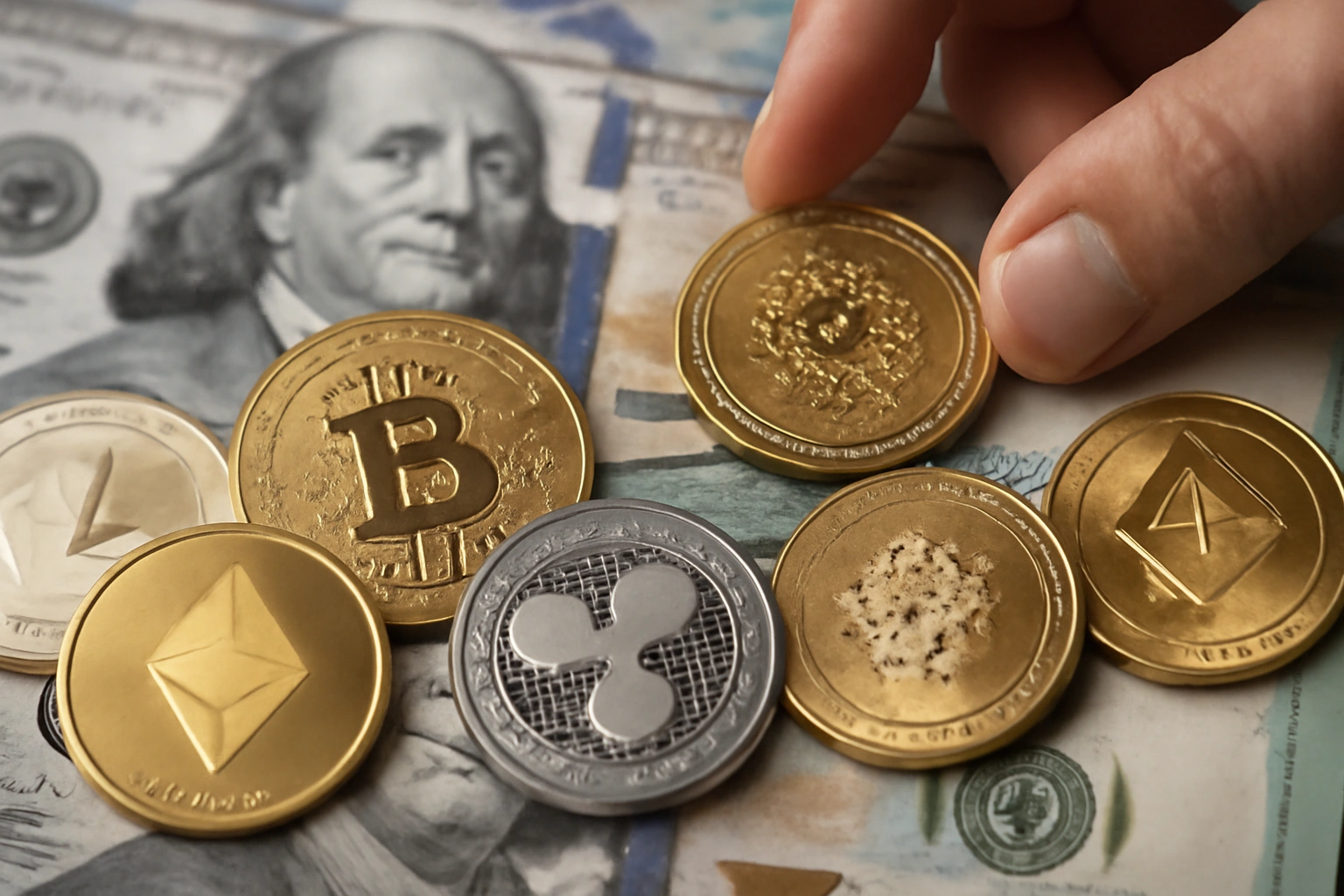
Here are a few common alternatives:
- Bitcoin (BTC): As the most well-known cryptocurrency, Bitcoin is regularly used as a store of value or for large transactions. However, it is able to be slower compared to more modern networks, and its transaction costs can be better, specifically at some point during periods of community congestion.
- Ethereum (ETH): Known for powering decentralized packages and clever contracts, Ethereum has a huge range of uses inside the blockchain environment. However, its transaction charges, known as “gasoline fees,” can vary based on community demand, which is probably a consideration for frequent users.
- Stablecoins (USDT, USDC): Stablecoins are pegged to the cost of conventional currencies like the US dollar, making them lots less risky than other cryptocurrencies. Since their price remains rather consistent, they’re perfect for ordinary bills and transferring price range among structures without worrying about fee swings.
- CBDCs (Central Bank Digital Currencies): Some governments are introducing their virtual currencies, known as CBDCs, to offer a regulated, steady manner to make bills. These can be a strong and dependable alternative, in particular in case you’re involved approximately regulatory compliance.
If you’re just getting started, stablecoins or CBDCs are typically the safest bet for everyday transactions due to their stability and lower risk of value fluctuation. However, Bitcoin and Ethereum may still be useful depending on the type of transactions you plan to make.
Step 3: Find Merchants Who Accept Blockchain Payments
As blockchain payments emerge as more mainstream, more corporations are embracing cryptocurrency as a payment approach. In 2025, whether or not you’re buying online or in a physical shop, the number of merchants accepting blockchain bills is developing swiftly. Blockchain-primarily based bills offer benefits like lower transaction charges, faster processing times, and greater security, making them attractive for both businesses and customers. To make bills with blockchain, begin by means of looking for traders or systems that accept cryptocurrencies. Some of the most famous fee gateways for blockchain bills include:
- BitPay: One of the main cryptocurrency payment processors, BitPay allows groups to accept Bitcoin, Bitcoin Cash, and other cryptocurrencies. It’s widely utilized by online stores and provider companies.
- CoinGate: CoinGate permits groups to simply accept Bitcoin, Litecoin, Ethereum, and stablecoins. It also integrates without difficulty with e-trade structures, making it easy for merchants to add blockchain payment alternatives.
- NOWPayments: NOWPayments supports a huge variety of cryptocurrencies and offers both fiat and crypto payment options, giving corporations flexibility in how they take delivery of bills.
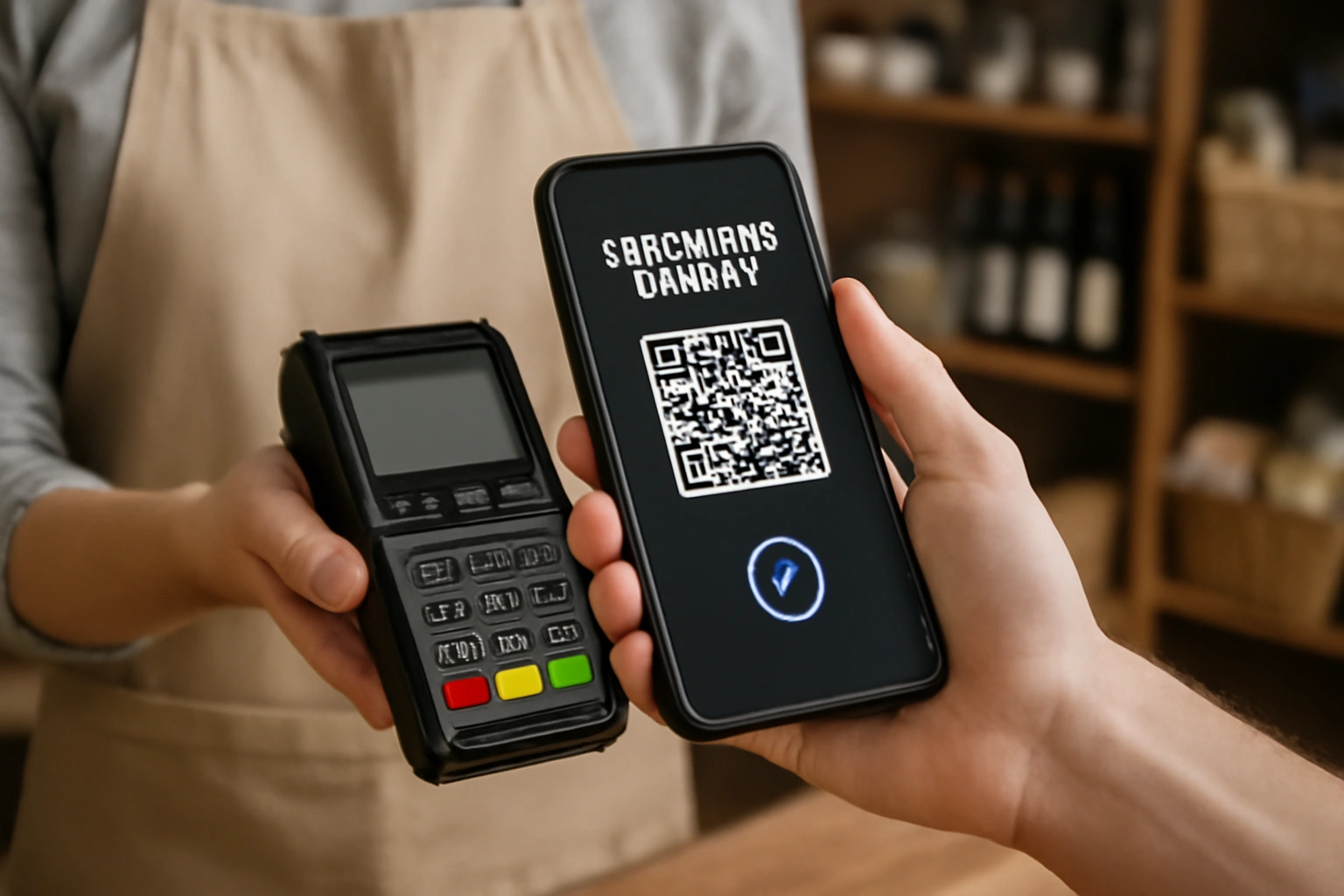
In addition to these fee gateways, many businesses are actually immediately integrating cryptocurrency into their point-of-sale (POS) systems. This permits clients to pay with crypto in physical stores much like they would with a debit or credit card. If you’re trying to use blockchain payments, keep an eye out for these growing options as they are set to expand.
Step 4: Make a Payment
Blockchain payments have hastily emerged as a dependable alternative to conventional payment methods. By 2025, this generation is reworking how we send and get hold of cash, offering faster transactions, lower fees, and more secure security. Unlike credit cards or bank transfers, blockchain bills bypass middlemen, making allowance for direct peer-to-peer transactions. This makes blockchain particularly attractive for cross-border transfers and online bills. As the adoption of blockchain charge structures continues to rise, both corporations and clients are benefiting from the convenience and value-performance it offers. Whether you’re purchasing products, sending money to friends, or making investments, blockchain payments are becoming more common.
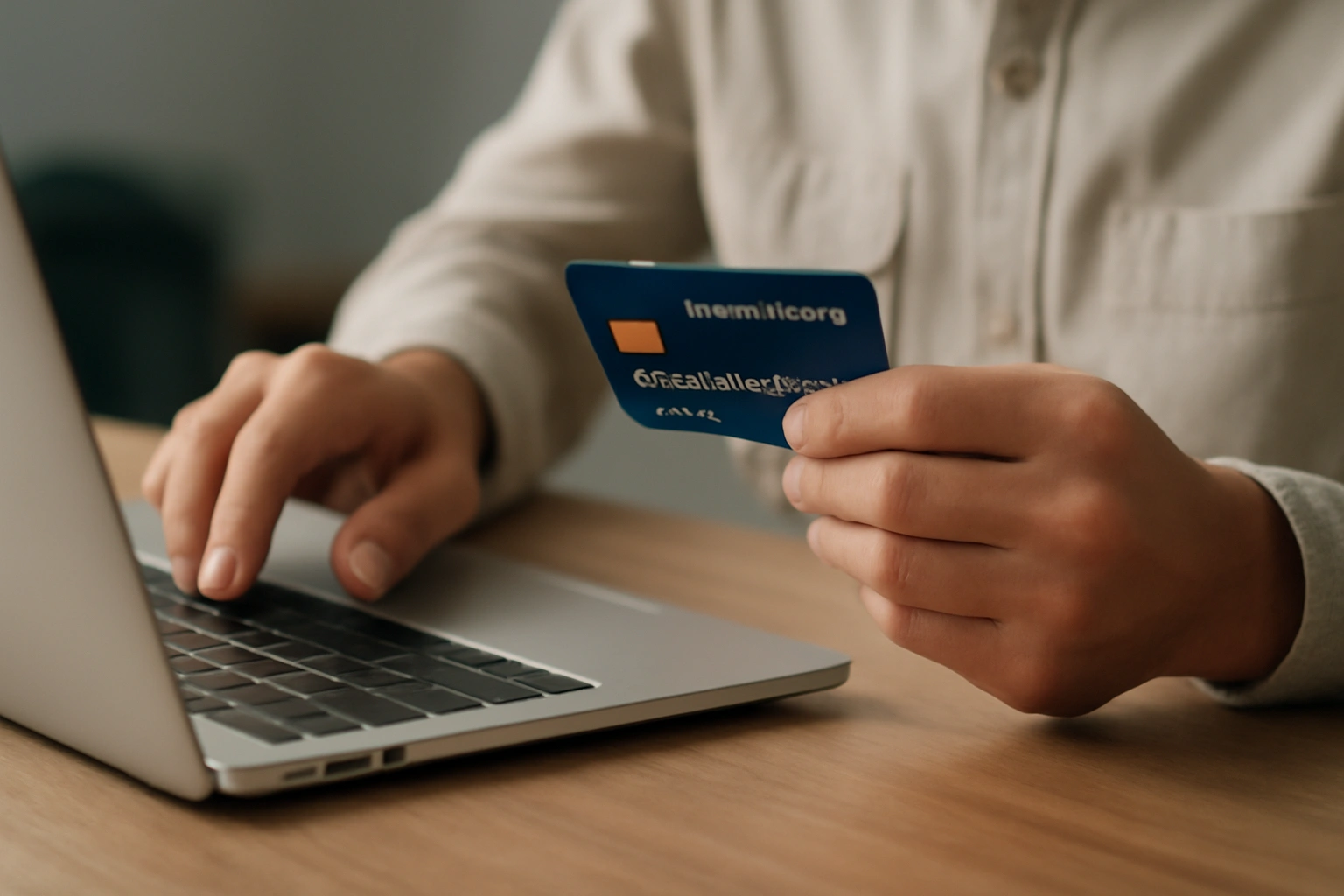
But how do you get started with blockchain-based price answers? The method might also appear intimidating in the beginning; however, it’s easier than it sounds. This guide will walk you via every step, from selecting the proper wallet to finding traders that accept blockchain payments. With this information, you’ll be prepared to dive into the sector of digital bills and take advantage of the whole lot blockchain has to offer.
Benefits of Blockchain Payments:
- Speed: Transactions are processed much faster than traditional methods, often within minutes.
- Lower Fees: Blockchain payments typically have much lower transaction fees, especially for international payments.
- Security: Blockchain transactions are encrypted and stored on a secure, decentralized network, making them resistant to fraud.
- Transparency: Transactions are recorded on a public ledger, allowing both parties to verify payment status.
- Accessibility: With more businesses accepting blockchain payments, it’s easier than ever to make purchases and transfer funds globally.
As we look forward, it is clear that blockchain payments are here to stay. Their speed, low fees, and safety make them an attractive option for both consumers and businesses. Whether you are new to blockchain or already familiar with digital currencies, technology is becoming more user-friendly, providing more access with each passing year. Since more traders and platforms are integrating blockchain payment systems, it will be easy to make only safe, transparent, and inexpensive transactions. The future of payment is digital, and the blockchain is leading the payment route. With a basic understanding of how the right tools and blockchain work, you can easily start using these payment methods to transact more efficiently, safely, and cost-effectively.
Step 5: Understand Blockchain Payment Fees
One of the main advantages of blockchain payments is that they generally have lower transaction fees compared to traditional financial systems. However, it’s crucial to understand how blockchain payment fees work, as they can fluctuate depending on a few key factors. Knowing these details will help you avoid unnecessary costs and ensure that you’re making the most out of your digital transactions. Fees can vary based on the cryptocurrency you’re using, the size of the transaction, and network congestion. By understanding the factors that influence blockchain payment fees, you can make more informed decisions and manage your funds more effectively.
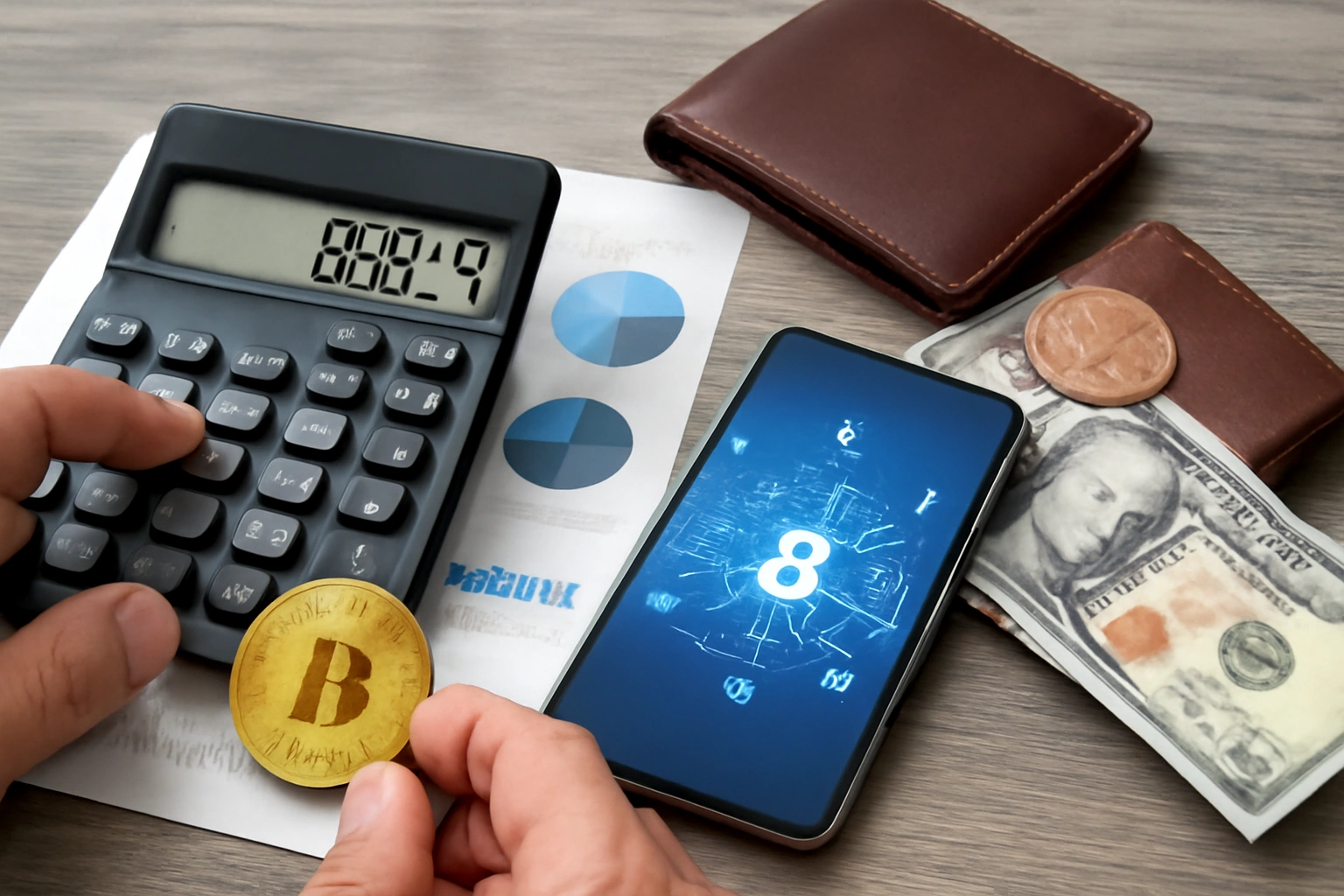
Key Factors That Affect Blockchain Payment Fees:
- Network Congestion: When the network is busy, fees can rise. This is common with cryptocurrencies like Bitcoin and Ethereum, especially during peak usage.
- The Cryptocurrency You’re Using: Different cryptocurrencies have different fee structures. For example, Bitcoin tends to have higher fees compared to stablecoins or newer blockchain networks like Solana.
- Transaction Size: Smaller transactions may be more expensive, as they require more processing power and data.
- Transaction Priority: Some blockchain networks allow users to pay higher fees for quicker processing and faster confirmation of transactions.
- Wallet Fees: Be aware of any additional fees your wallet provider might charge for transaction processing or extra services.
Managing Blockchain Payment Fees
While blockchain payment fees are often lower than traditional methods, it’s important to stay informed about the factors that influence them. By understanding network congestion, the cryptocurrency being used, and the transaction size, you can make smarter choices and avoid unnecessary costs. Always check the fees before making large or international payments to prevent surprises. As blockchain technology advances, fees may continue to evolve, but staying up-to-date with current trends will help you maximize the benefits. With the right knowledge, you can ensure that your blockchain payments remain both secure and cost-effective.
Step 6: Keep Your Payments Secure
Blockchain payments are secure, but you must still take steps to protect your funds. While blockchain itself is encrypted and decentralized, how you handle your wallet and private keys affects your security. Blockchain transactions are irreversible. Once you send funds, you can’t recover them. For this reason, it’s essential to follow best practices to avoid losing your assets. Here are the most important security tips to ensure your blockchain payments stay safe:
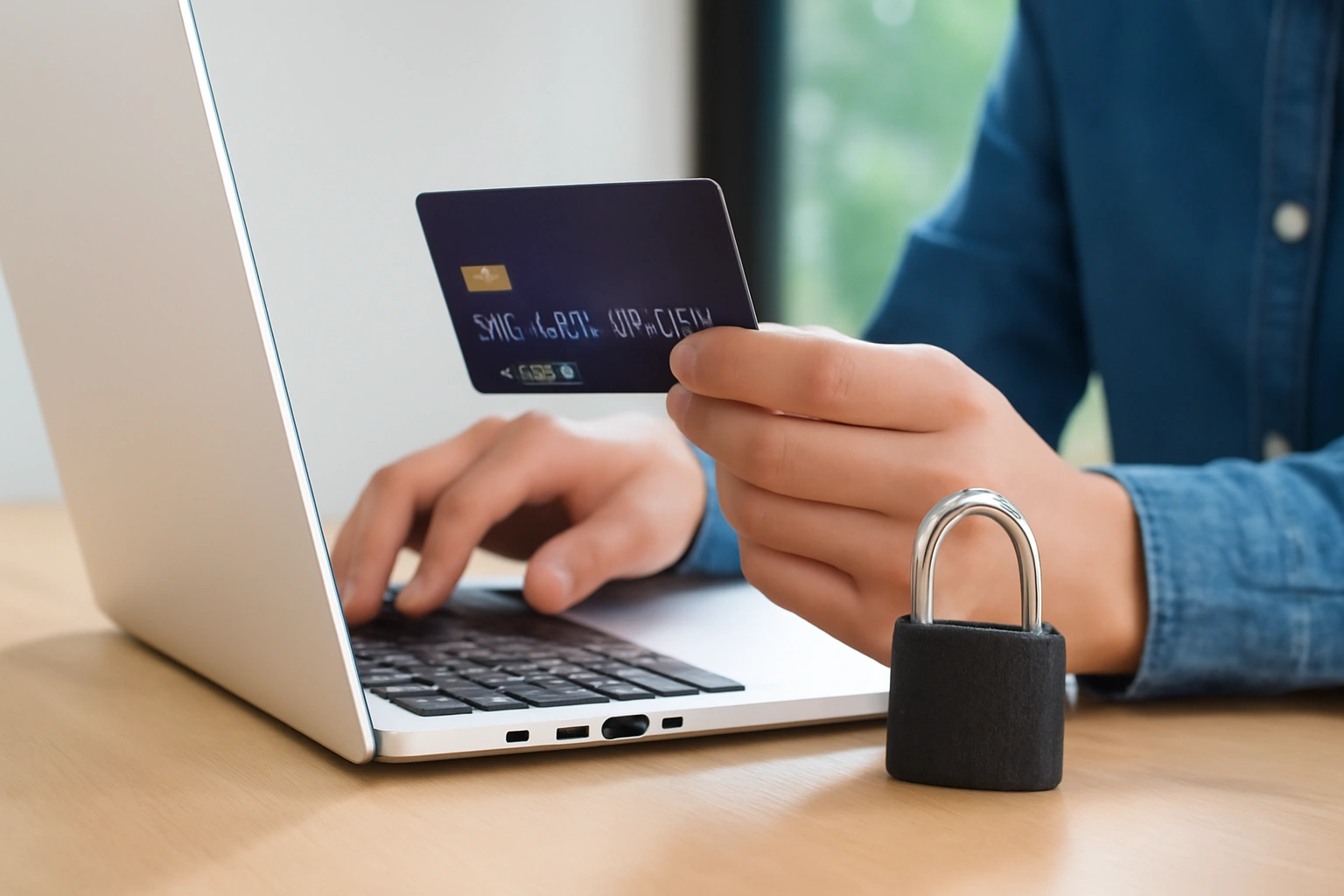
Key Security Tips for Blockchain Payments:
- Double-check the recipient’s wallet address: Always verify the wallet address before sending a payment. A small mistake can result in the permanent loss of your funds.
- Use two-factor authentication (2FA): Turn on 2FA for your wallet and exchange accounts. It adds another layer of protection by requiring an extra verification step.
- Keep your private keys safe: Your private keys grant access to your funds. Never share them. Store them in secure locations, like a hardware wallet, to prevent theft.
- Only use trusted payment gateways: Stick to reputable platforms with strong security measures. Avoid using services without proven track records.
- Regularly update your software: Keep your wallet and security software updated. This helps protect against newly discovered vulnerabilities.
Your blockchain payments are only as secure as the steps you take to protect them. Blockchain offers strong protection, but you must follow basic security practices to avoid fraud or theft. Always verify addresses, enable 2FA, and store private keys safely. Use reliable platforms and keep your software updated. By following these guidelines, you can confidently make secure blockchain payments.
Step 7: Stay Up to Date with Regulations
Blockchain and cryptocurrency regulations are still evolving. As the generation becomes extra widely used, governments around the world are introducing clearer regulations for blockchain-based price answers. By 2025, these policies will probably grow to be even more defined and extensive, impacting how cryptocurrencies are taxed, monitored, and used for payments. Staying knowledgeable is key to making sure you observe legal standards and keep away from any penalties. As blockchain continues to disrupt the global, regulators are catching up to make sure that the blessings of digital currencies don’t come with hidden risks. Whether you’re a person, an enterprise owner, or an investor, keeping up with modifications in blockchain price regulations will help you make smarter decisions.

Key Regulations for Blockchain Payments:
- Tax Reporting: Many countries treat cryptocurrency as taxable income. You’ll need to keep a record of your transactions to report any gains or losses on your taxes.
- KYC (Know Your Customer) Procedures: If you run a business accepting blockchain payments, you may need to collect customer identification details to comply with KYC rules and prevent fraud.
- AML (Anti-Money Laundering) Compliance: Along with KYC, some countries require businesses to follow AML procedures to help prevent money laundering and illicit financial activity.
- Cross-Border Regulations: Regulations differ by country, so international transactions may have specific rules you must follow when accepting or sending payments across borders.
- Stablecoin and CBDC Rules: Governments are also introducing specific rules for stablecoins and Central Bank Digital Currencies (CBDCs), which can have different legal implications compared to other cryptocurrencies.
The landscape of blockchain payment is constantly changing. Governments are adjusting and refining the rules to maintain blockchain technology with rapid growth. It is necessary to stay updated on these changes, especially if you are using or accepting blockchain payments for business or personal transactions. By understanding tax reporting requirements, KYC and AML rules and other legal factors, you can avoid potential legal losses. As the blockchain payment system develops, continuing to educate yourself on new rules will put you beyond the curve. Be informed when using blockchain payments and be safe.
Blockchain Payments and Security: How It Works
Security is one of the main reasons people choose blockchain payments over traditional methods. As digital transactions grow, securing these payments becomes essential. Blockchain offers a safe, transparent, and efficient way to handle payments without a central authority like a bank. With the rise of cybercrime, blockchain’s decentralized network and cryptographic features offer a reliable solution. Here’s how blockchain payment security works:
- Decentralized Network: Blockchain doesn’t rely on a central server. No single entity controls the network, making it harder for hackers to infiltrate.
- Immutable Ledger: Once a transaction is recorded, it cannot be changed or deleted. This ensures high integrity and transparency for all payments.
- Cryptographic Protection: Each transaction uses cryptographic keys, securing sensitive data and allowing only authorized parties to access it.
- Smart Contracts: Blockchain enables smart contracts, which automatically execute transactions when specific conditions are met. This reduces human error and eliminates the need for intermediaries.
By using blockchain payments, both businesses and consumers gain a higher level of security compared to traditional methods. Decentralized control, immutable records, and cryptographic encryption make blockchain one of the most secure payment methods available.
As fraud and data breaches become more common, blockchain payments offer a trusted solution. Blockchain technology eliminates middlemen and secures transactions through advanced encryption. Its decentralized nature and smart contracts further protect transactions from fraud and error. As the technology evolves, blockchain will likely play an even bigger role in securing digital payments. Adopting blockchain payments means knowing your transactions are protected by the latest security measures.
The Future of Payments is Blockchain
Blockchain transaction methods are already a game-changer, and by 2025, they’re possibly to end up even more significant. Whether you are sending money the world over, buying items, or making a purchase, blockchain gives a faster, lower-priced opportunity to traditional structures. By following those simple steps, you could start using blockchain fee methods nowadays and stay ahead of the curve.
As blockchain generation evolves, its effect on the worldwide charge panorama will most effective develop. More corporations are accepting blockchain bills, and the benefits of the usage of virtual currencies is improving. The upward push of stablecoins and critical financial institution virtual currencies (CBDCs) will make blockchain even more accessible and sensible for regular use.
The future of bills is absolutely digital, and blockchain payments are the main way. As greater industries integrate this generation, the ability for innovation and performance is limitless. Whether you are a business seeking to expand your fee options or an individual seeking a better way to manage transactions, blockchain gives the gear to succeed.
Looking to learn more about cryptocurrency? Visit Cryptocurrency for in-depth guides and the latest news on digital currencies. Stay updated and explore how cryptocurrencies are changing the financial landscape.
FAQs
-
What is a blockchain payment?
A blockchain payment is a transaction made using blockchain technology, typically with cryptocurrencies or stablecoins. -
Are blockchain payments secure?
Yes, blockchain payments are encrypted and stored on a public ledger, making them highly secure and nearly impossible to alter. -
How do I start using blockchain payments?
First, set up a blockchain wallet, choose your preferred cryptocurrency, and find businesses or merchants who accept crypto payments. -
What are the fees for blockchain payments?
Fees can vary based on the cryptocurrency and network congestion. It’s always a good idea to check the current rates before making a payment. -
Can I use blockchain payments for international transfers?
Yes, blockchain payments are perfect for international transactions since they bypass traditional banking systems, making transfers quicker and cheaper.