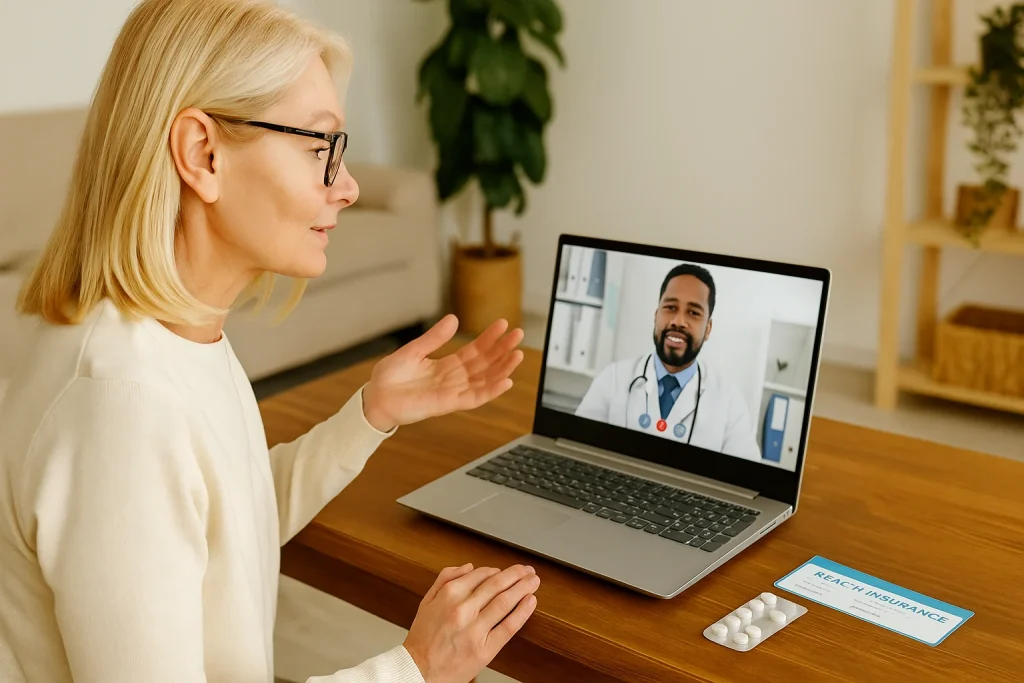
Telemedicine changes how we see doctors. Now you don’t have to drive to a clinic or sit in the waiting room. With a smartphone or computer, you can talk to a doctor from home. As more people use this option. Coverage of telemedicine has become an important part of many health insurance schemes. But how does it work? And what should you know before using telehealth?
Let’s break it down simply.
What Is Telemedicine and Why Does Coverage Matter?
Telemedicine means seeing a doctor or nurse through video, phone or app. It can be used for many things, such as:
-
Getting help for a cold or cough
-
Follow-up care after a surgery
-
Talking to a therapist or mental health provider
-
Getting a prescription refill
It’s not new. But since the COVID-19 pandemic, it has grown fast. Many patients now prefer virtual visits for basic health issues. It saves simple, safe time. Telemedicine means seeing a doctor or nurse through video, phone, or an app.
Why does health insurance now cover telemedicine?
In the past, not all health insurance schemes have been covered by telemedicine. But things have changed. Insurance companies saw how useful it was during the pandemic. Now, many include it as part of their plans.
Here’s why:
-
It costs less than in-person care.
-
It’s fast and cuts down on long waits.
-
It helps rural or busy people see a doctor quickly.
-
It reduces pressure on hospitals and clinics.
The insurance companies now see telemedicine as a smart alternative. Not just as a backup option.
What does telemedicine coverage usually contain?
Each insurance company is different. But most plans cover common telehealth services. These may include:
-
Virtual doctor visits for minor illnesses
-
Mental health counselling by video or phone
-
Follow-ups with specialists
-
Lab result reviews
-
Chronic disease check-ins (like diabetes or high blood pressure)
Some insurance plans also cover telemedicine through their network of doctors. Others may partner with telehealth apps like Teladoc, MDLIVE, or Amwell.
How to Check Your Health Insurance for Telemedicine Coverage
It’s important to read your plan details. Here’s how to find out:
-
Log in to your insurance account online.
-
Search for “telemedicine” or “virtual care.”
-
Call the customer service number on your card.
-
Ask your doctor if your plan covers your virtual visit.
Some plans cover it fully. Others may charge a copay, just like a normal visit. Be sure to check the cost before your appointment.
Need extra insurance for covering telemedicine?
No, you do not need special health insurance for telemedicine. Most normal health insurance plans now include it. That includes:
-
Employer health plans
-
Medicaid
-
Medicare
-
Individual ACA marketplace plans
However, not every telehealth service is covered. And not every state allows the same types by video. That’s why checking your benefits is key.
Pros of Using Telemedicine Coverage
There are many good reasons to try telemedicine. Here are a few:
1. Saves Time
No driving. No waiting. You log in and talk to a doctor from your home or work.
2. Less Cost
Virtual visits often cost less than in-person ones. Some are even free with certain plans.
3. Better Access
People in small towns or with busy schedules can still get care without travelling.
4. Good for Ongoing Conditions
If you have asthma, diabetes, or anxiety, regular check-ins by video can help.
What Telemedicine Doesn’t Cover
Telemedicine isn’t for every health issue. If you need:
-
Emergency care
-
Surgery
-
Imaging (like X-rays)
-
Hands-on tests or physical exams
You still need to visit a hospital or clinic. Think of telemedicine as a tool for basic or follow-up care, not everything.
Using Telemedicine Coverage with Your Current Insurance
If your insurance plan covers it, here’s what to do:
-
Find a provider that offers virtual care.
-
Book an appointment through their website, app, or your insurance’s platform.
-
Have your insurance info ready when you check in.
-
Use a phone or computer with a good internet connection.
-
Follow up after the visit if needed.
Your doctor will tell you if you need medicine, more tests, or an in-person visit.
Does Telemedicine Affect Your Deductible?
Yes. If you haven’t met your deductible, you may have to pay for the visit. But the cost is usually lower than in-person care. After you meet your deductible, your insurance may pay most or all of the cost.
Some plans offer virtual visits at no cost even before you meet the deductible. Look for “no-cost virtual visits” in your benefits guide.
How Mental Health Is Getting Easier Through Telehealth
Mental health care is one of the biggest areas growing in telemedicine. Many people find it easier to talk to a therapist from home.
You can use telehealth for:
-
Therapy sessions
-
Medication check-ins
-
Support for stress, anxiety, or depression
Most health plans now cover virtual mental health care. It’s private, easy to schedule, and fits into your day better.
Are There Any Downsides?
Like anything, telemedicine has a few limits:
-
Tech issues: Poor internet or device problems can get in the way.
-
No physical exam: Some issues need a hands-on check-up.
-
Privacy: Always use secure platforms to protect your info.
-
Availability: Some doctors or states may limit telehealth services.
Still, for most simple care needs, it works well.
The future of telemedicine coverage in health insurance
Telemedicine should live here. Health insurance companies will likely expand coverage even more. We may soon see:
-
More coverage for home health devices
-
Virtual physical therapy
-
Remote monitoring tools for blood pressure, sugar, and heart rate
-
Online second opinions from specialists
As tech grows, expect your insurance to cover more types of virtual care.
Tips to take maximum benefit from your telecommunications health coverage
There are some ways to ensure you get full value:
-
Check your plan benefits each year during open enrollment.
-
Use in-network telehealth providers to avoid extra costs.
-
Ask your doctor if a virtual visit is right for your condition.
-
Use secure Wi-Fi and headphones for privacy.
-
Keep a list of your symptoms and questions before your visit.
Final view on telemedicine coverage
Telemedicine makes health care easier and more flexible. Health insurance is fast in catching fast. Offers coverage for more virtual trips than ever. Whether you need quick help with a sore throat or long-term care for stress, virtual care can help.
Just make sure you understand your coverage. Look into your plan, and don’t be afraid to try a virtual visit. It may save you time, money, and stress.